How to Choose the Right Home Service Provider
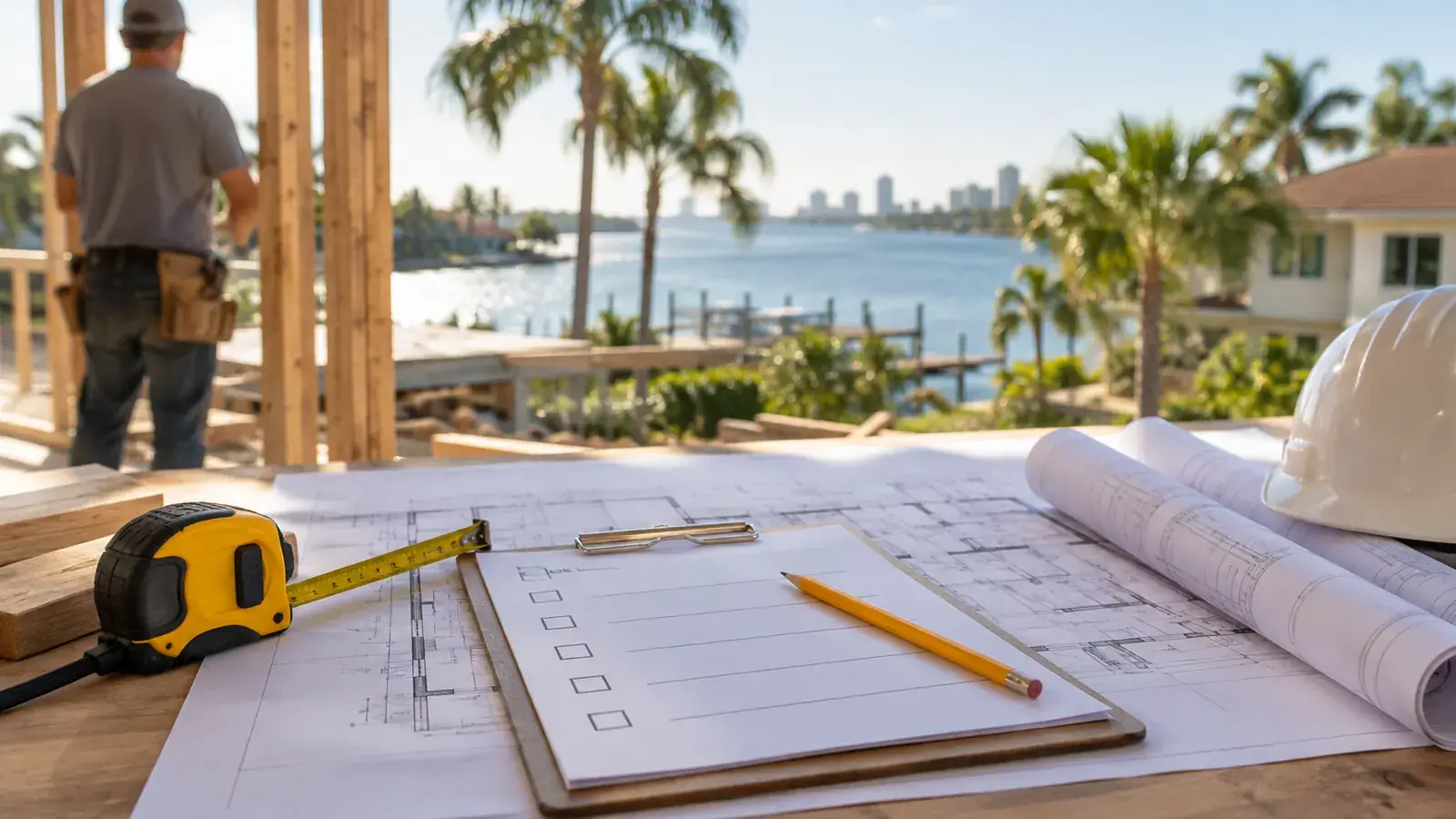
A free, plain-English PDF guide for Tampa Bay homeowners.
- How to check a Florida license, business and insurance
- A side-by-side table for comparing quotes
- Questions to ask before you hire
- Deposits, permits and lien releases in plain English
- Storm-season red flags
- A one-page hiring checklist
Who this guide is for
Homeowners in Tampa Bay hiring for anything from a small repair to a full remodel. It's especially useful if you haven't hired a contractor in Florida before, or if you're dealing with storm damage and feel rushed.
It ends with a one-page hiring checklist you can print and keep handy.
A few things it covers
How to look up a Florida contractor license on the DBPR site and what the results mean. How to read a certificate of insurance and why you want it before work starts. What should be in a written quote, so you can compare two or three of them fairly.
Why permits matter even when a contractor says you don't need one, how deposits and payment schedules usually work, and what a lien release is and when to ask for one. It also lists common storm-season red flags, like door-to-door offers to handle your insurance claim.
What happens when you request it
Enter your name and email and we'll send the PDF. If you check the optional box for tips, we'll also send seasonal checklists and new articles now and then, and you can unsubscribe any time. We don't sell your information.
A preview: checking a license in Florida
Go to the DBPR license search and look up the contractor by name or license number. Check that the license is current, that the name matches the business on your quote, and that the license type fits the job. A roofing job, for example, generally calls for a roofing or general contractor license, not a handyman's business card.
Some specialty trades are licensed locally rather than by the state, so if you can't find a license on the DBPR site, ask the contractor which agency issued theirs and check there. The guide walks through what each result means and what to do if something doesn't match.
A preview: comparing quotes
Put the quotes side by side and compare the same things on each one: what's included, materials and brands, permits, cleanup, warranty, schedule and payment terms. The guide includes a table you can fill in. If one quote is far lower, ask what's different before you assume it's the better deal.
You can also use our free Compare My Quotes tool, which runs in your browser and doesn't send your information anywhere.
After a storm
Storms bring out people who knock on doors, promise to handle your insurance claim and ask for a signature on the spot. The guide explains why it's worth slowing down, checking a license first, and talking with your insurer before you sign anything that involves your claim.
A few things the guide will ask you to do
Look up every contractor's license on the state DBPR site before you sign. Ask for proof of insurance and keep a copy. Make sure the contract names the work, the materials, the price, the payment schedule and who pulls the permit. Never pay most of the price before work starts, and get every change in writing before it happens. After a storm, be careful with anyone who knocks on your door offering repairs.
None of this is complicated, but it's easy to skip when you're stressed or in a hurry. Having it in one place makes it easier to slow down.
When you're ready for quotes
Send a free request and we'll offer it to one local provider at a time who covers your ZIP code. You're never obligated to hire, and only the provider who accepts your request sees your contact details.
Who this guide is for
It's for anyone in Tampa Bay planning a repair or project, whether that's a first-time buyer facing a failing water heater or a longtime owner planning a remodel after storm season. You don't need to know construction terms. The guide explains them as it goes and gives you questions to ask in plain language.
Keep it handy when quotes start arriving. The sections on scope, payment schedules and written change orders are the ones people tell us they use most.