Hurricane Preparation Hub
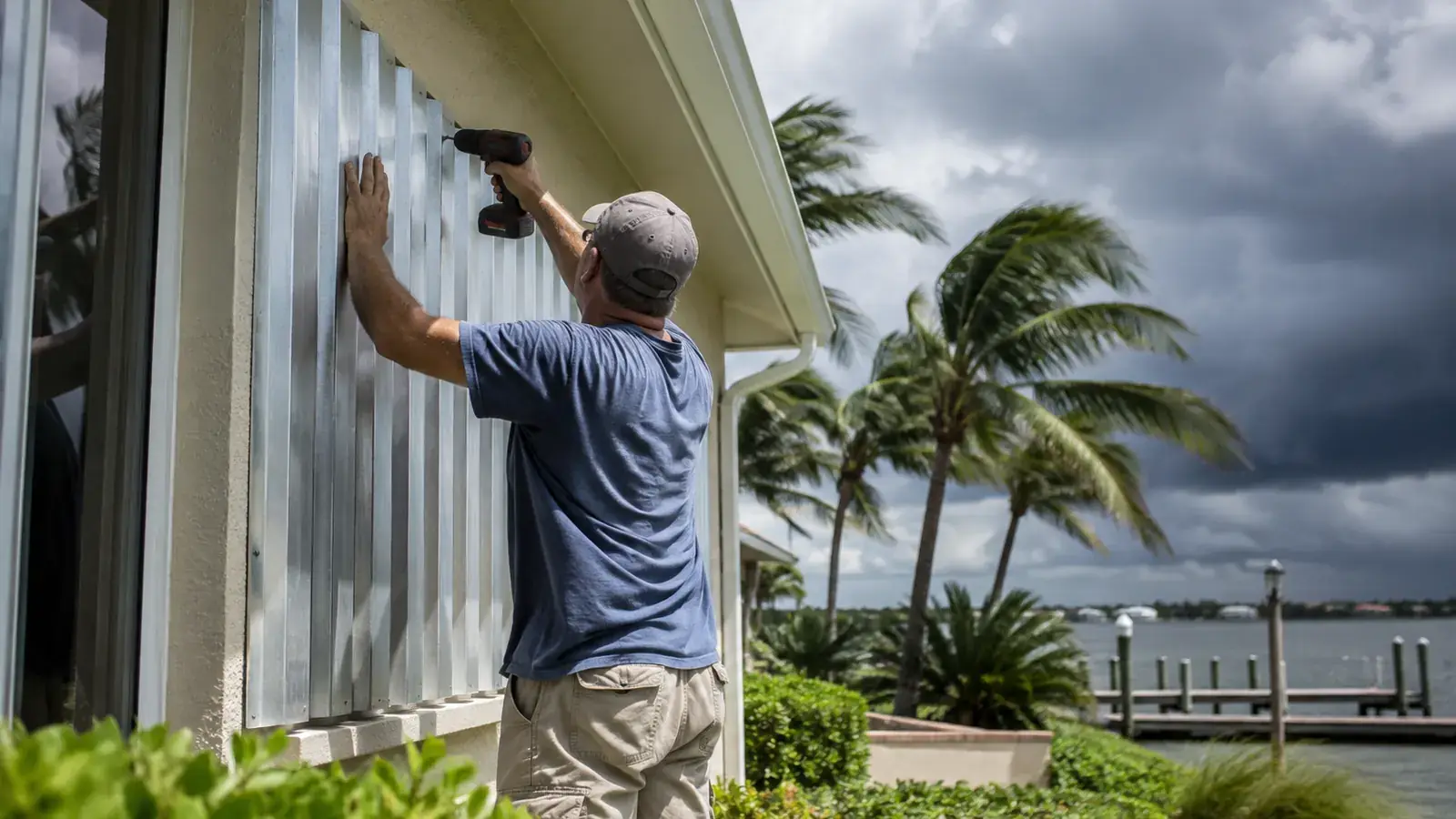
A season checklist for homes and businesses, plus the services to book before a storm.
How to use this hub
Choose home or business, then work through the checklist season by season. Check items off as you go; your progress stays in your browser. Each section links to the services worth booking before a storm is in the forecast, when contractors are easier to schedule.
Plan by season, not by forecast
Atlantic hurricane season runs June 1 through November 30. The dry season, roughly November through May, is the time for roof inspections, tree trimming, shutter or impact window upgrades, generator service and gutter cleaning. Once a storm is named, installers and supply stores get overwhelmed and many jobs simply can't be done in time.
Know your evacuation zone, where your water and power shutoffs are, and how your insurance deductible works. Take photos and video of your property each spring so you have a record if you need to file a claim.
After a storm
Stay safe first: avoid downed lines and floodwater, and don't climb on a damaged roof. Photograph damage, make temporary repairs to prevent more damage and keep receipts. Be cautious with door-to-door contractors and always check a license before you sign anything. Official guidance is available from the Florida Division of Emergency Management and Ready.gov.
For homeowners
The most useful work happens months before a storm: having the roof inspected and small problems fixed, trimming trees and removing dead limbs near the house, servicing a generator or planning safe use of a portable one, and deciding between shutters and impact windows for openings that need protection. Clear gutters and downspouts so heavy rain can drain away from the house.
Inside, gather important papers in a waterproof container, know how to shut off water and power, and keep a list of your insurance policy numbers and agent's phone number somewhere you can reach it without the internet.
For businesses and property managers
Write down who does what before, during and after a storm, and share it with staff and vendors. Confirm which vendors you'll call for board-up, tree work, roofing, water extraction and generator service, and ask them now how they handle calls after a storm, when everyone is busy.
Photograph each property, back up records off site, test any standby generator under load and check that roof drains and scuppers are clear. If you manage tenants, decide in advance how you'll communicate with them if power and cell service are spotty.
Insurance and paperwork
Review your policy before the season starts: your hurricane deductible, whether you have flood coverage (standard homeowners policies typically don't include flood), and what documentation your insurer wants after a loss. If you have questions about a claim, the Florida Department of Financial Services has a consumer helpline. Be careful with anyone who asks you to sign over your insurance benefits.
Storm-season services to book early
Tree trimming and removal, roof inspections and repairs, impact windows and shutters, generator installation and maintenance, and gutter cleaning are the jobs that tend to back up fastest once a storm is in the forecast. Booking them in the off-season usually means more choice and less rushing.
The last 48 hours before a storm
Once a storm is forecast, most contractors are already booked, so this is about what you can do yourself. Bring in or tie down patio furniture, grills and anything that can blow around. Install shutters or panels if you have them. Charge phones and power banks, fill prescriptions, get cash, and fill your car's gas tank. Photograph every room and the outside of your home or business so you have a clear before picture for insurance.
Know your evacuation zone, which is different from your flood zone, and follow orders from your county emergency management office. If you use a portable generator, never run it indoors or in a garage, and keep it well away from doors and windows.
After the storm
Stay away from downed power lines and standing water, and call your utility or 911 for hazards. Document damage with photos and video before cleaning up, make only temporary repairs needed to prevent more damage, and keep every receipt. Contact your insurer as soon as you can. Be wary of anyone who knocks on your door offering repairs, asks for a large deposit or wants you to sign over your insurance benefits on the spot. Check the license before you hire.
Request a Home Service Quote · Request a Business Service Quote