Hurricane Prep Projects for Sarasota County Homeowners
By Aaron Hurlburt · Last reviewed 2026-10-17
The projects that make a Sarasota County home easier to protect before a storm: openings, roof, trees, power and paperwork, in the order most homeowners tackle them.
Start in the off-season
The best time to work on hurricane prep is the stretch between December and May, when contractors aren't buried in storm calls and products are easier to get. Hurricane season runs June 1 through November 30. Once a storm is in the forecast, shutters, generators and tree crews book up fast, and plywood disappears from store shelves.
Sarasota County homes range from older block homes near the bay and on the keys to newer subdivisions around North Port and Venice. The projects below apply to most of them, but your house's age, roof and flood zone will decide which ones come first.
Know your flood zone and evacuation zone
Wind and water are different problems. Look up your property on FEMA's flood map, and check your evacuation zone with Sarasota County emergency management. Low-lying areas along the coast and near creeks can flood from storm surge or heavy rain even when the wind is manageable.
Flood damage from rising water is usually covered only by separate flood insurance, not a standard homeowners policy. National Flood Insurance Program policies typically have a 30-day waiting period before they take effect, so this is a decision to make well before a storm.
- FEMA Flood Map Service Center
- FloodSmart (National Flood Insurance Program)
- Sarasota County government
Protect the openings
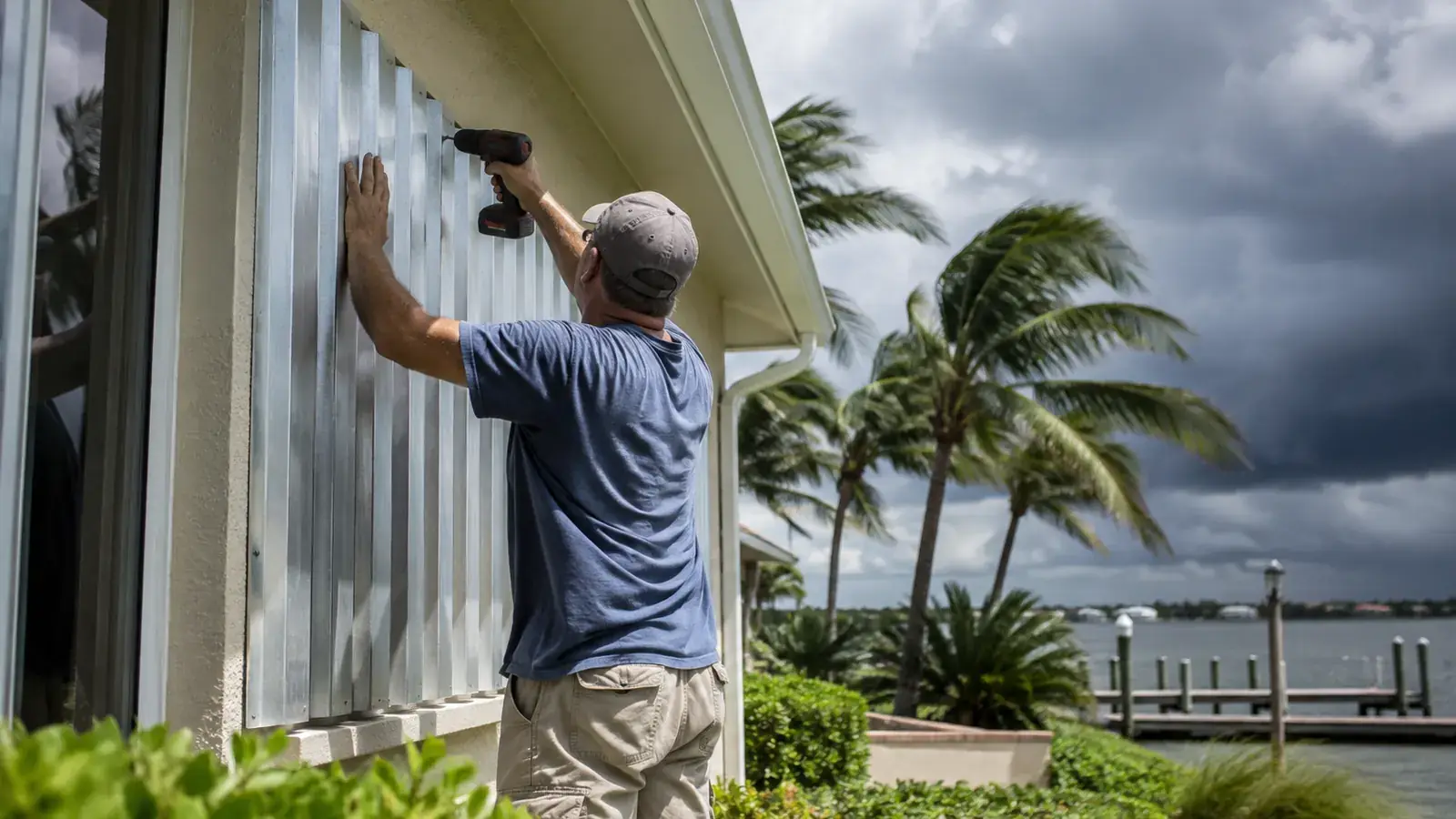
Windows, sliders and garage doors are where wind gets in. Once wind breaks through an opening, pressure inside the house can push up on the roof. The main choices are impact-rated windows and doors, or shutters: accordion, roll-down, panels or fabric screens.
Impact windows protect all the time with no setup. Shutters cost less upfront but someone has to close them, which matters if you travel or own a seasonal home. Either way, ask for products with Florida product approval and confirm whether a permit is needed. In unincorporated Sarasota County that's the county; the City of Sarasota, Venice and North Port issue their own.
Garage doors are easy to forget. A wide garage door is often the largest opening on the house, and many older doors aren't rated for high wind. A rated door or a bracing kit is worth asking about.
Check the roof before it's tested
A roof inspection in the spring can catch loose or lifted shingles, cracked tiles, worn flashing and soft decking before a storm finds them. Ask about the roof-to-wall connection and secondary water protection if you're replacing the roof soon.
A wind mitigation inspection documents features such as roof shape, roof deck attachment and opening protection. Many Florida insurers use it to apply discounts, so ask your agent whether a current one would help. The state's My Safe Florida Home program has offered free inspections and grants to eligible homeowners; check the program site for what's open now.
Trees, gutters and loose items
Large limbs over the roof and dead trees near the house are the most common storm hazards in a yard. Trimming by a qualified arborist before June is far cheaper than removing a tree from your roof in September. Keep in mind that some trees need a permit to remove; ask the tree company or the county.
Clean gutters and downspouts so heavy rain can drain. Walk the yard and make a list of what needs to come inside when a storm is coming: furniture, grills, planters and pool equipment.
Power and paperwork
A whole-home standby generator needs permits, a licensed electrician and often a gas plumber, and installation can take weeks, so plan it in the off-season. Portable generators should always run outside, away from windows and doors.
Before the season, photograph or video every room for insurance, store copies of your policy and important documents in the cloud, and build a supply kit. The Florida Division of Emergency Management keeps a good checklist.
Hiring for storm projects
Check every contractor's license on the DBPR site, ask for proof of insurance and get the scope, product and payment schedule in writing. Be careful with anyone who asks for most of the money upfront or shows up at your door after a storm.
Frequently asked questions
When should Sarasota County homeowners start hurricane prep projects?
Ideally between December and May, before hurricane season starts on June 1 and contractors get busy.
Do shutters or impact windows need a permit?
Often yes. Unincorporated Sarasota County, the City of Sarasota, Venice and North Port each handle permits inside their own limits, so confirm with the right office.
Does homeowners insurance cover flooding?
Usually not. Flood damage from rising water is generally covered by a separate flood policy, which often has a 30-day waiting period.
Related services
- Hurricane Shutters
- Hurricane Impact Windows & Doors
- Roof Inspections
- Whole-Home Generators
- Tree Trimming
Keep reading
- Home and business services in Sarasota County
- Impact windows vs hurricane shutters
- Whole-home generator sizing and permits