Plumbing Repair in Tampa Bay
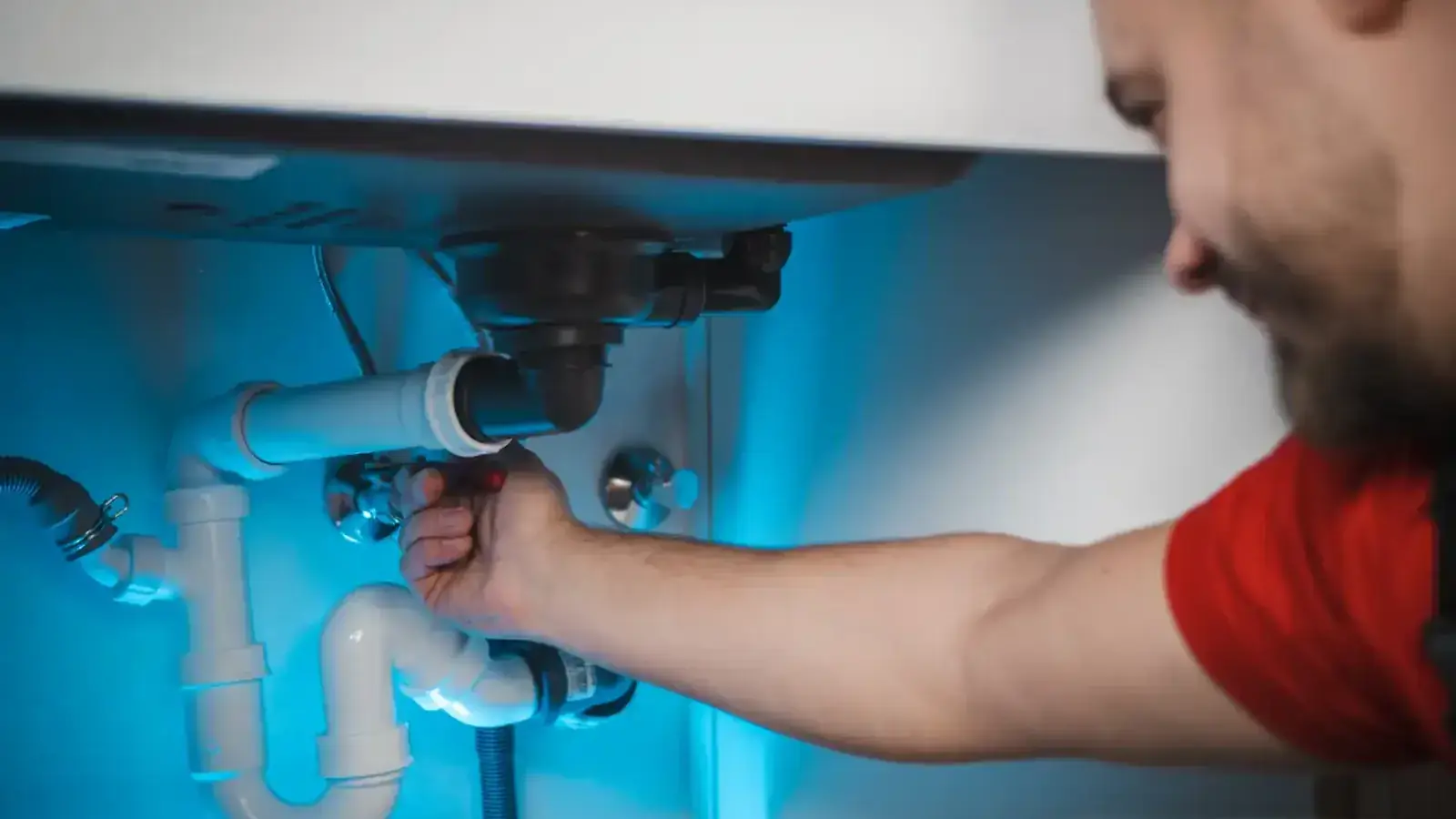
Leaks, clogs, running toilets, fixtures and low pressure. Tell us about the job and we'll match you with a local provider who covers your ZIP code.
Good to know
- Know where your main water shut-off is before you need it; it can stop a small leak from becoming water damage.
- A water heater that is leaking from the tank itself usually needs replacement, not repair.
- Slow drains in several fixtures at once can point to a main line issue rather than a single clog.
Questions to ask before you hire
- Can I see your Florida license number so I can look it up on myfloridalicense.com?
- Will you send a current certificate of insurance before work starts?
- Is your price flat-rate or hourly, and is there a trip charge?
What plumbing repair usually costs in Tampa Bay
Plumbing repair prices depend on what's broken, where it is and how hard it is to reach. A running toilet, a dripping faucet or a simple drain clog is usually a modest bill. Leaks inside walls, under slabs or in a ceiling cost more because of the access and the drywall or flooring repair that follows, which plumbers usually don't include.
Many Tampa Bay plumbers charge a service call fee plus parts and labor, or quote a flat price per task. Ask which method they use and whether the fee is credited toward the repair.
Older homes with galvanized or polybutylene pipe may need more than a spot repair. If a plumber recommends repiping, ask for the repair option too, and why they think it won't hold.
Permits in Florida
Most simple repairs don't need permits, but replacing water heaters, moving fixtures, sewer line work and repiping usually do. Confirm with your city or county.
Permit rules depend on your address: each city permits inside its limits and the county covers unincorporated areas. Ask your provider who pulls the permit and confirm with the local building office before work starts.
Hurricane season planning
Know where your main water shutoff is before you need it. Before leaving for a storm or an extended trip, many homeowners shut off the main. After flooding, have the plumbing and any well or septic system checked.
Atlantic hurricane season runs June 1 through November 30. Contractor schedules tighten before and after named storms, so plan non-urgent work early.
Planning around Tampa Bay's wet and dry seasons
Tampa Bay really has two working seasons. The dry season, roughly November through May, brings lower humidity and fewer afternoon storms, so it's usually the easiest time to schedule plumbing repair, inspections and anything that needs paint, sealant or concrete to cure. The wet season, roughly June through September, brings daily thunderstorms, lightning and heavy humidity that can push outdoor work to the morning and stretch schedules. If your plumbing repair project isn't urgent, asking for dates early in the dry season usually gives you more choice.
Getting a useful quote
Before a provider visits, jot down what you've noticed, when it started, and any past repairs. Photos help. Know your ZIP code, property type and rough age of the home or building, and whether an HOA, landlord or insurer needs to be involved.
When quotes come in, compare the same scope, materials, warranty and timeline side by side. Our free Compare My Quotes tool can help.
How to hire for plumbing repair
Ask for the contractor's license number and look it up on the state DBPR site. Check that the name matches the company, the license is active, and the license type fits the job. Some trades are licensed locally by the county instead.
Ask for a current certificate of insurance. Through Tampa Services, license and insurance information is on file for providers; verify current status before hiring.
Get the scope, price, schedule, payment terms and warranty in writing. Be careful with large deposits for work that hasn't started, and with anyone who asks you to sign over insurance benefits.
Compare at least the same scope when you look at prices. The lowest number isn't always the same job.
- Florida DBPR license lookup
- Water Heater Repair or Replace? A Tampa Guide
- Pasco County New Homeowner Checklist: The First 10 Pros
- Water Damage in a Florida Home: First Steps and Insurance Questions
- Angi vs. HomeAdvisor vs. a Local Tampa Bay Marketplace: What Happens to Your Request
- How to Check a Florida Contractor License in 2 Minutes
- How to Verify a Florida Contractor License
Frequently asked questions
How do I know if I have a hidden leak?
Watch your water meter with every fixture off. If it moves, water is going somewhere. Also look for warm spots on floors, the sound of running water, or a higher water bill.
Can I use chemical drain cleaners?
They can damage older pipes and make the plumber's job harder. A plunger or drain snake is gentler. For repeated clogs, have the line inspected.
What should I do about a slab leak?
Shut off water if it's serious and call a plumber who does leak detection. Options include spot repair through the slab or rerouting the line.
Do plumbers need a license in Florida?
Yes, plumbing contractors are state-licensed. Check on the DBPR site.
How it works
- Tell us about the job and your ZIP code.
- We match it with one local provider who covers your area and does this work.
- Your provider contacts you, and you track everything in your portal.