HVAC Installation & Replacement in Tampa Bay
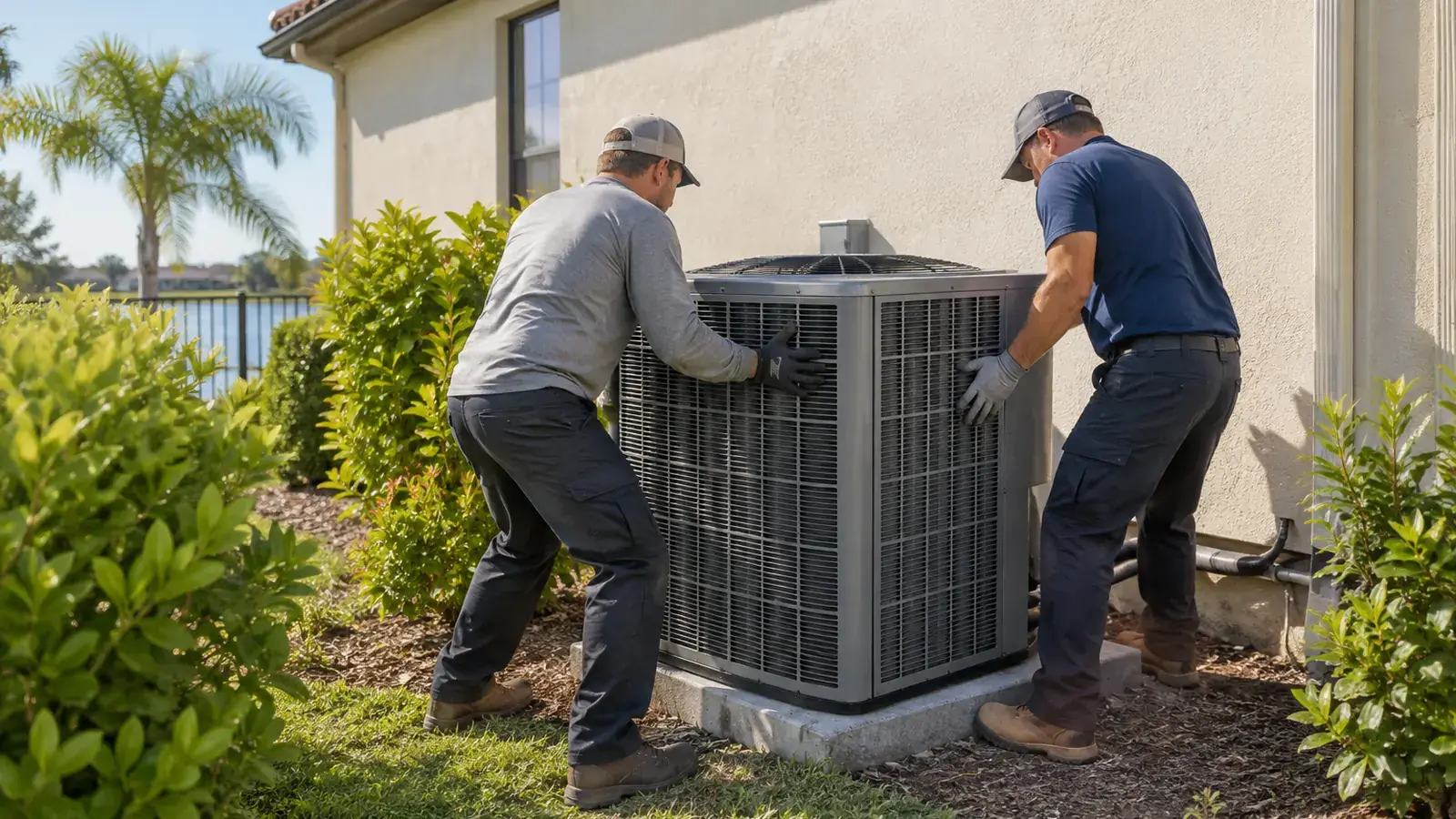
A new AC system is one of the biggest purchases most Florida homeowners make. Tell us about your home and current system and we'll match you with one of the local HVAC providers who serve your ZIP code, so you can compare written proposals.
Signs it's time
- Repairs are getting frequent or the system is well into its second decade
- Rooms that never cool evenly, or humidity that stays high
- Your system uses R-22 refrigerant
- Power bills climbing without a change in how you use the house
What affects the scope and price
- Correct sizing. Ask for a load calculation (Manual J) rather than matching the old tonnage
- Efficiency rating (SEER2) and whether you choose a single-stage, two-stage or variable-speed system
- Whether ductwork needs repair, sealing or replacement
- Air handler location, electrical updates, permits and inspections
- Warranty terms for parts and labor, and registration requirements
Questions to ask before you hire
- Did you do a load calculation, and can I see it?
- What are the exact model numbers for the outdoor unit, coil and air handler?
- Who pulls the permit and schedules the inspection?
- What does the labor warranty cover, and for how long?
Florida considerations
- Federal efficiency minimums for the Southeast changed in 2023, and refrigerants are moving to newer types. Ask each contractor which refrigerant the system uses.
- In Florida's humidity, dehumidification matters as much as cooling. Ask how the system you're quoted handles it.
What HVAC installation & replacement usually costs in Tampa Bay
A full system replacement is usually a several-thousand-dollar project, and many Tampa Bay homes land well above that once ductwork, a new air handler, electrical work or attic access are included. Size, efficiency (SEER2), variable-speed equipment and brand all move the price.
Ask each company to break out equipment, labor, ductwork, permit and disposal so you can compare. Rebates and financing offers change often, so ask what applies today and get it in writing.
Permits in Florida
Replacing an HVAC system generally requires a mechanical permit and an inspection in Florida. Your contractor typically pulls it. Confirm with your city or county building office and ask to see the final inspection.
Permit rules depend on your address: each city permits inside its limits and the county covers unincorporated areas. Ask your provider who pulls the permit and confirm with the local building office before work starts.
Hurricane season planning
If your outdoor unit sits low in a flood-prone area, ask about raising it on a stand during replacement. Hurricane straps or tie-downs for the condenser are common in coastal Florida; ask whether they're included.
Atlantic hurricane season runs June 1 through November 30. Contractor schedules tighten before and after named storms, so plan non-urgent work early.
Planning around Tampa Bay's wet and dry seasons
Tampa Bay really has two working seasons. The dry season, roughly November through May, brings lower humidity and fewer afternoon storms, so it's usually the easiest time to schedule HVAC installation & replacement, inspections and anything that needs paint, sealant or concrete to cure. The wet season, roughly June through September, brings daily thunderstorms, lightning and heavy humidity that can push outdoor work to the morning and stretch schedules. If your HVAC installation & replacement project isn't urgent, asking for dates early in the dry season usually gives you more choice.
Getting a useful quote
Before a provider visits, jot down what you've noticed, when it started, and any past repairs. Photos help. Know your ZIP code, property type and rough age of the home or building, and whether an HOA, landlord or insurer needs to be involved.
When quotes come in, compare the same scope, materials, warranty and timeline side by side. Our free Compare My Quotes tool can help.
How to hire for HVAC installation & replacement
Ask for the contractor's license number and look it up on the state DBPR site. Check that the name matches the company, the license is active, and the license type fits the job. Some trades are licensed locally by the county instead.
Ask for a current certificate of insurance. Through Tampa Services, license and insurance information is on file for providers; verify current status before hiring.
Get the scope, price, schedule, payment terms and warranty in writing. Be careful with large deposits for work that hasn't started, and with anyone who asks you to sign over insurance benefits.
Compare at least the same scope when you look at prices. The lowest number isn't always the same job.
- Florida DBPR license lookup
- How to Verify a Florida Contractor License
- AC Repair vs. Replacement: How to Decide
- How to Compare Contractor Estimates
Frequently asked questions
How many quotes should I get?
Many homeowners compare two or three. We match each request with one local provider who covers your ZIP code, so you aren't flooded with calls. If they can't take it, we move it to the next provider.
Can I just replace the outdoor unit?
Mismatched indoor and outdoor equipment can hurt efficiency and warranties. Ask each contractor to explain what they recommend and why.
Do you tell me what it should cost?
No. Prices depend on your home and the equipment. Our Compare My Quotes tool helps you line up proposals side by side.
How long does a replacement take?
Many straightforward residential swaps take one to two days. Ductwork changes, attic access problems or electrical upgrades can add time.
Should I replace the ductwork too?
Not always. Ask the contractor to inspect the ducts for leaks, damage and sizing problems, and to explain why they recommend replacing or keeping them.
How it works
- Tell us about the job and your ZIP code.
- We match it with one local provider who covers your area and does this work.
- Your provider contacts you, and you track everything in your portal.