How to Prepare Your Home for Hurricane Season
By Aaron Hurlburt · Last reviewed 2026-10-17
A Tampa Bay checklist for before, during and after a storm, and what to schedule in the off-season so you're not scrambling in June.
The calendar works in your favor
Atlantic hurricane season runs June 1 through November 30, with the busiest stretch usually in August, September and October. The single biggest thing you can do is move the big projects into the off-season. From December through May, roofers, window installers, tree crews and generator installers have more room in their schedules, permit offices are less backed up, and the weather is drier for exterior work.
If you're reading this in the fall, you're early for next year. That's a good place to be.
Know your zone and your plan
Look up your evacuation zone through your county emergency management office. Zones are based on storm surge, not wind, and a lot of Pinellas County and the coastal parts of Hillsborough, Pasco, Hernando and Sarasota are in surge zones. Decide in advance where you'd go and when.
Check your flood risk too. A standard homeowners policy doesn't cover flood. The FEMA flood map shows your mapped zone, though flooding can happen outside mapped areas, as many Tampa Bay neighborhoods learned in recent storms.
Off-season projects that matter most
Roof: have it inspected and fix loose or missing shingles, lifted flashing and soft spots before the season. Ask the inspector to note the roof's age and condition in writing, since insurers often ask.
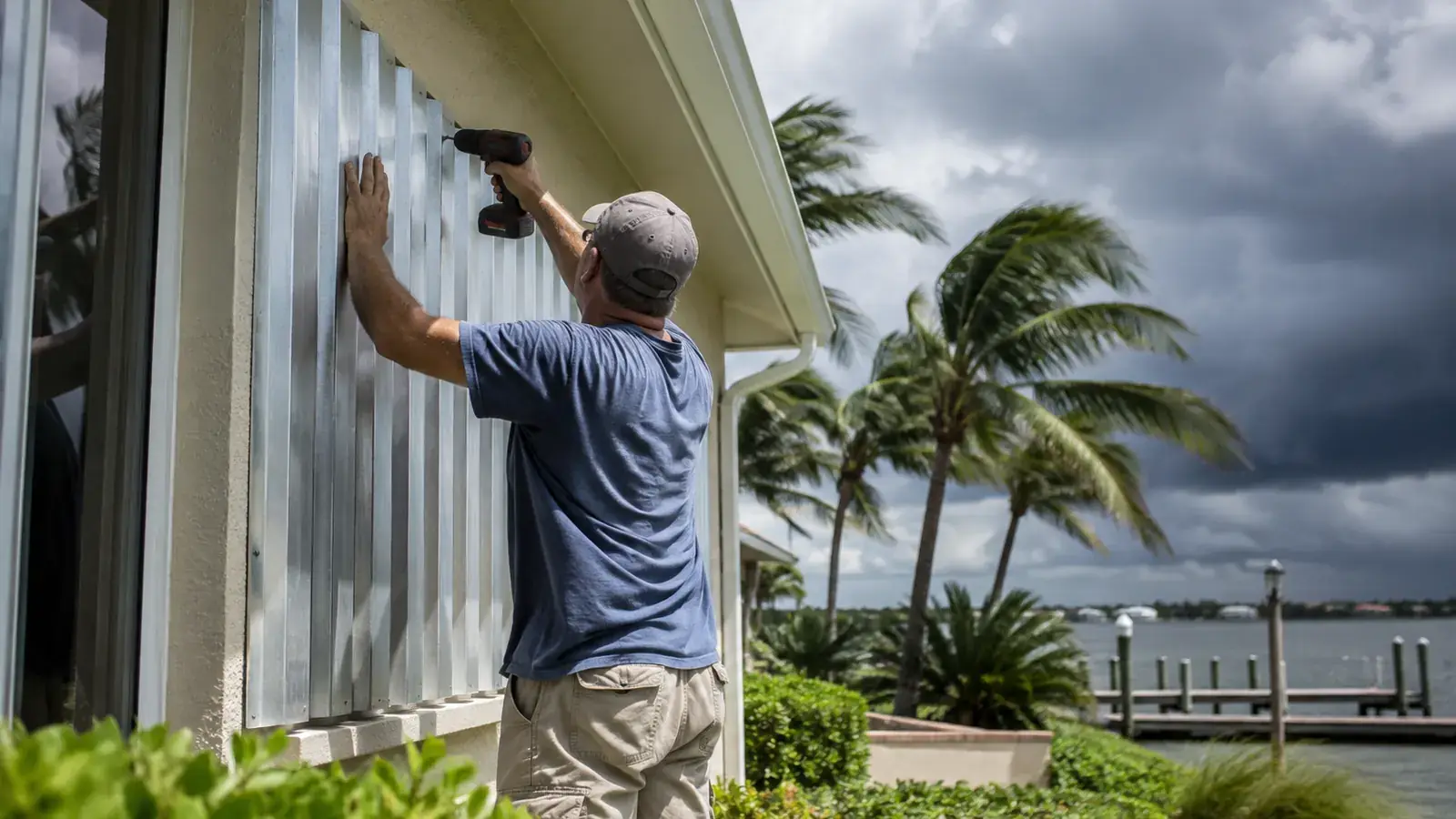
Openings: windows, doors and garage doors are where wind tends to get in. Make sure shutters fit and the hardware is labeled and stored where you can find it. If you're replacing windows anyway, impact-rated windows and doors remove the shutter routine entirely. A garage door that isn't wind-rated is a common weak point.
Trees: have a certified arborist look at large trees near the house, especially limbs over the roof. Trim in the dry months, not the week a storm is named, when crews are booked and curbside debris pickup slows down.
Power: decide between a portable generator plan and a permanent standby generator. Permanent units need permits, a pad and often a gas line, so they take time to install.
Document everything before you need it
Walk through every room and the outside of the house with your phone and record a slow video. Open closets and cabinets. Photograph the roof from the ground, the electrical panel and major appliances with their model labels. Store the files in the cloud, along with a copy of your insurance policy and your agent's contact information.
Review your policy each spring. Know your hurricane deductible, which is often a percentage of the dwelling coverage rather than a flat amount, and what your policy says about roof coverage.
When a storm is named
Clear the yard of anything that can fly: furniture, planters, grills, trash cans. Put up shutters early enough to do it calmly. Fill prescriptions, get cash, fuel the car, and charge batteries. If you have a pool, don't drain it. Turn off pool equipment and the AC at the breaker if your contractor advises it, and only restart once power is stable.
Never run a portable generator indoors, in a garage, or near open windows. Carbon monoxide poisoning is a real risk after every Florida storm.
After the storm
Stay off the roof. Photograph damage from the ground and from inside, and stop further damage where it's safe to do so, like placing a tarp or moving belongings away from a leak. Keep receipts for emergency repairs. Contact your insurer promptly; Florida has shortened claim reporting deadlines in recent years, so don't wait.
Expect door-to-door offers. Ask for a Florida license number, check it on the DBPR site, and don't sign any document that assigns your insurance benefits to a contractor. The Florida Department of Financial Services has storm and insurance help if you run into trouble with a claim.
A simple off-season schedule
November and December: review what went wrong this season and get quotes for bigger projects like roofing, windows or a generator. January through March: complete exterior work in the dry weather, trim trees and service your generator. April and May: test shutters, restock supplies, review your insurance policy and confirm your evacuation plan before June 1.
Renters, condos and second homes
If you own a condo, know what the association covers and what you're responsible for, such as windows or interior damage. If you own a seasonal home, arrange for someone to put up shutters and check the property after a storm, and leave your insurance details with them. Renters should know the landlord's plan and keep renters insurance for their belongings.
Frequently asked questions
When should I schedule a roof inspection?
Late fall through spring is ideal. You'll have time to fix anything before June 1, and roofers are easier to book than right before or after a storm.
Are impact windows required in Tampa Bay?
New construction and some replacements in wind-borne debris areas must meet opening protection rules, which can be met with impact glass or approved shutters. Requirements depend on location and project, so confirm with your building office.
Do I need a permit to install a standby generator?
Yes, generally electrical permits and often gas or plumbing permits. Your installer should handle them.
Related services
Keep reading
- Hurricane roof damage in Pinellas County: the first 72 hours
- Hurricane Preparation Hub
- Hurricane shutters
- Services in Pinellas County