Shopping for Florida Homeowners Insurance Before Hurricane Season
By Aaron Hurlburt · Last reviewed 2026-10-19
How Tampa Bay homeowners can compare policies, understand hurricane deductibles and flood coverage, use a wind mitigation report, and work with an independent Florida-licensed agent.
A different market than it used to be
We've lived in Florida since the '70s, through a lot of storms and a lot of insurance cycles. Over the last several years, many Tampa Bay homeowners have opened a renewal notice to find a higher premium, a new company or a non-renewal. It's stressful, and it's easy to feel stuck.
The best defense is to understand what you're buying and to shop with someone who can compare more than one company. An independent agent can quote several insurers and explain the differences in plain language.
This guide is general education, not insurance advice. Coverage, prices, discounts and eligibility depend on the policy and the insurance company, so confirm the details with a Florida-licensed insurance agent.
Compare more than the premium
Two quotes with the same price can cover very different things. Line them up and compare the dwelling coverage amount, the hurricane deductible, the all-other-perils deductible, how roof damage is paid (replacement cost or actual cash value), coverage for personal property and loss of use, and the exclusions.
Florida hurricane deductibles are often a percentage of your dwelling coverage rather than a flat dollar amount. Do the math on what you'd actually pay out of pocket after a storm, and ask the agent to walk you through it.
Flood is separate
Standard homeowners policies generally don't cover flooding from rising water, and in Tampa Bay that includes storm surge and heavy rain. Flood coverage comes from the National Flood Insurance Program or private flood insurers. NFIP policies typically have a 30-day waiting period before they take effect.
Flooding happens outside high-risk zones too. Look up your property on FEMA's flood map, and ask your agent about flood coverage even if your lender doesn't require it.
Wind mitigation can help
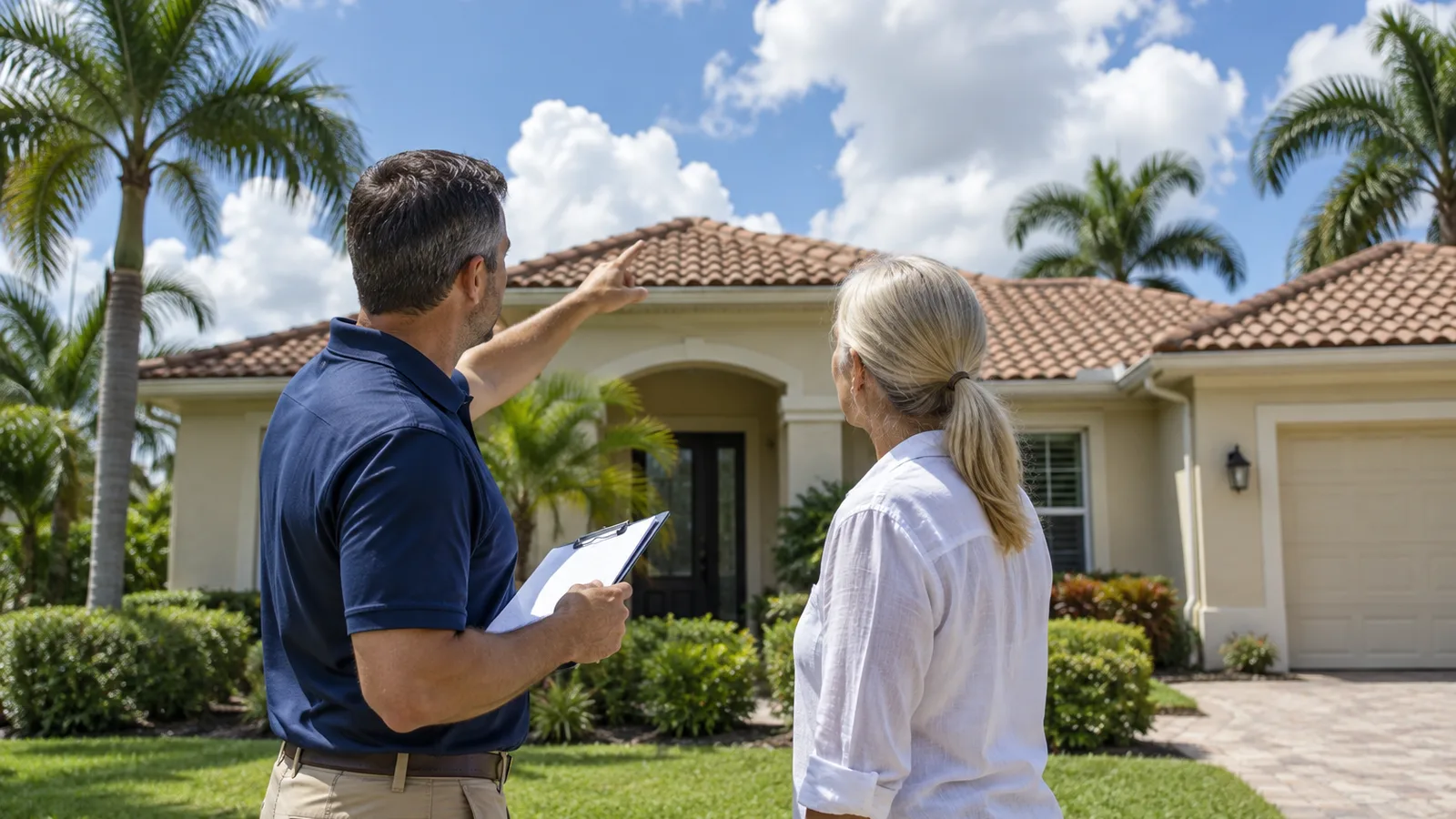
Florida law requires insurers to offer discounts for qualifying wind-resistant features. A wind mitigation inspection documents things like roof shape, how the roof deck is attached, roof-to-wall connections, secondary water resistance and protection on windows and doors.
If you've replaced your roof, added impact windows or shutters, or never had an inspection, ask your agent whether a current report could change your premium. The state's My Safe Florida Home program has offered free inspections and grants to eligible homeowners; check the program site for what's open now.
Timing around hurricane season
Atlantic hurricane season runs June 1 through November 30. When a storm threatens, insurers commonly stop writing new policies and coverage changes in the affected area until it passes. The time to shop, raise limits or add flood coverage is well before anything is in the forecast.
Before the season, take a video of every room, store your policy in the cloud, and keep your agent's number handy. After a storm, document damage before cleanup and report the claim promptly.
Choosing an agent
Insurance agents in Florida are licensed by the Department of Financial Services. Ask for the agent's name and look it up on the DFS licensee search. Ask which companies they represent, whether a quote is with a private insurer or Citizens Property Insurance Corporation, and how they help when you file a claim.
If you have a problem with an insurer, the Florida CFO's Division of Consumer Services can help. Through Tampa Services, license information an agent gives us is on file; verify current status before you buy.
- Florida DFS insurance licensee search
- Florida CFO Division of Consumer Services
- Florida Office of Insurance Regulation
Frequently asked questions
Does homeowners insurance cover hurricane flooding?
Usually not. Wind damage is typically covered subject to the hurricane deductible, but flooding from rising water generally needs a separate flood policy.
When should I shop for homeowners insurance in Florida?
Well before a storm threatens. Insurers commonly pause new policies and changes once a hurricane is approaching.
Is this insurance advice?
No. It's general education. Confirm coverage and pricing with a Florida-licensed insurance agent.