Commercial Remodeling in Tampa Bay
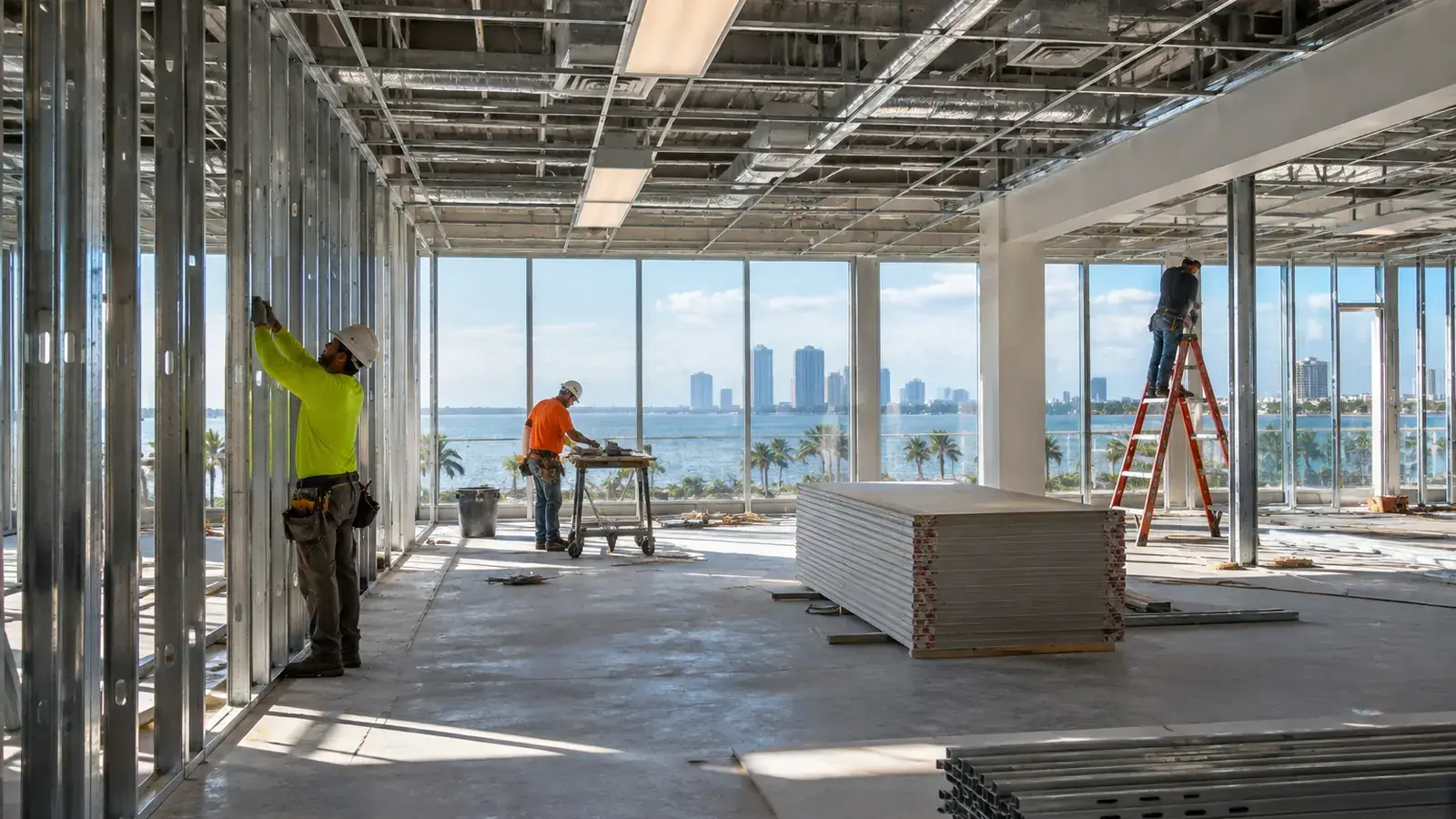
Tenant improvements and commercial renovations live and die by schedule. Tell us about the space and scope and we'll match you with one of the commercial contractors who serve your area.
Request a Business Service Quote
Signs it's time
- A new lease or tenant move-in
- Rebranding, expansion or a layout that no longer works
- Accessibility or code updates
What affects the scope and price
- Square footage, scope and whether drawings exist
- Landlord approvals and building rules
- Permits, fire marshal reviews and inspections
- After-hours or phased work to stay open
- Long-lead items like storefronts and HVAC
Questions to ask before you hire
- What license do you hold, and can you provide references for similar spaces?
- How will you phase work to keep us operating?
- Who manages permits and inspections?
- How do you handle change orders and schedule changes?
Florida considerations
- Commercial construction in Florida requires a licensed general or building contractor.
- Accessibility requirements may apply when you renovate. Ask your contractor or architect.
What commercial remodeling usually costs in Tampa Bay
Tenant improvements and commercial remodels depend on square footage, finishes, MEP changes, ADA requirements and schedule.
Ask for a line-item bid and allowances in writing.
Landlord work letters, tenant improvement allowances and lease rules often decide who pays for what. Read them before you get bids so each contractor prices the same scope.
Permits in Florida
Most commercial remodels need permits and possibly fire marshal review. Confirm with your building office and landlord.
Permit rules depend on your address: each city permits inside its limits and the county covers unincorporated areas. Ask your provider who pulls the permit and confirm with the local building office before work starts.
Hurricane season planning
Plan the schedule around hurricane season and protect open work areas.
Atlantic hurricane season runs June 1 through November 30. Contractor schedules tighten before and after named storms, so plan non-urgent work early.
Planning around Tampa Bay's wet and dry seasons
Tampa Bay really has two working seasons. The dry season, roughly November through May, brings lower humidity and fewer afternoon storms, so it's usually the easiest time to schedule commercial remodeling, inspections and anything that needs paint, sealant or concrete to cure. The wet season, roughly June through September, brings daily thunderstorms, lightning and heavy humidity that can push outdoor work to the morning and stretch schedules, which matters if you're planning around business hours or tenants. If your commercial remodeling project isn't urgent, asking for dates early in the dry season usually gives you more choice.
Getting a useful quote
Before a provider visits, jot down what you've noticed, when it started, and any past repairs. Photos help. Know your ZIP code, property type and rough age of the home or building, and whether an HOA, landlord or insurer needs to be involved.
When quotes come in, compare the same scope, materials, warranty and timeline side by side. Our free Compare My Quotes tool can help.
How to hire for commercial remodeling
Ask for the contractor's license number and look it up on the state DBPR site. Check that the name matches the company, the license is active, and the license type fits the job. Some trades are licensed locally by the county instead.
Ask for a current certificate of insurance. Through Tampa Services, license and insurance information is on file for providers; verify current status before hiring.
Get the scope, price, schedule, payment terms and warranty in writing. Be careful with large deposits for work that hasn't started, and with anyone who asks you to sign over insurance benefits.
For businesses, also confirm after-hours availability, response times and who your point of contact is.
Frequently asked questions
Can I upload plans and an RFP?
Yes. Attach drawings, specs and procurement requirements to your request.
Multiple locations?
Tell us how many in your request.
Is it free?
Yes.
Can work be done after hours?
Often yes, to keep the business running. Ask about cost.
Who handles ADA requirements?
Your design professional and contractor should address accessibility as part of permitting.
How long does a tenant improvement take?
It depends on permits, scope and lead times on materials and equipment. Ask the contractor for a schedule that includes permit review time.
How it works
- Tell us about the job and your ZIP code.
- We match it with one local provider who covers your area and does this work.
- Your provider contacts you, and you track everything in your portal.