Commercial Flooring in Tampa Bay
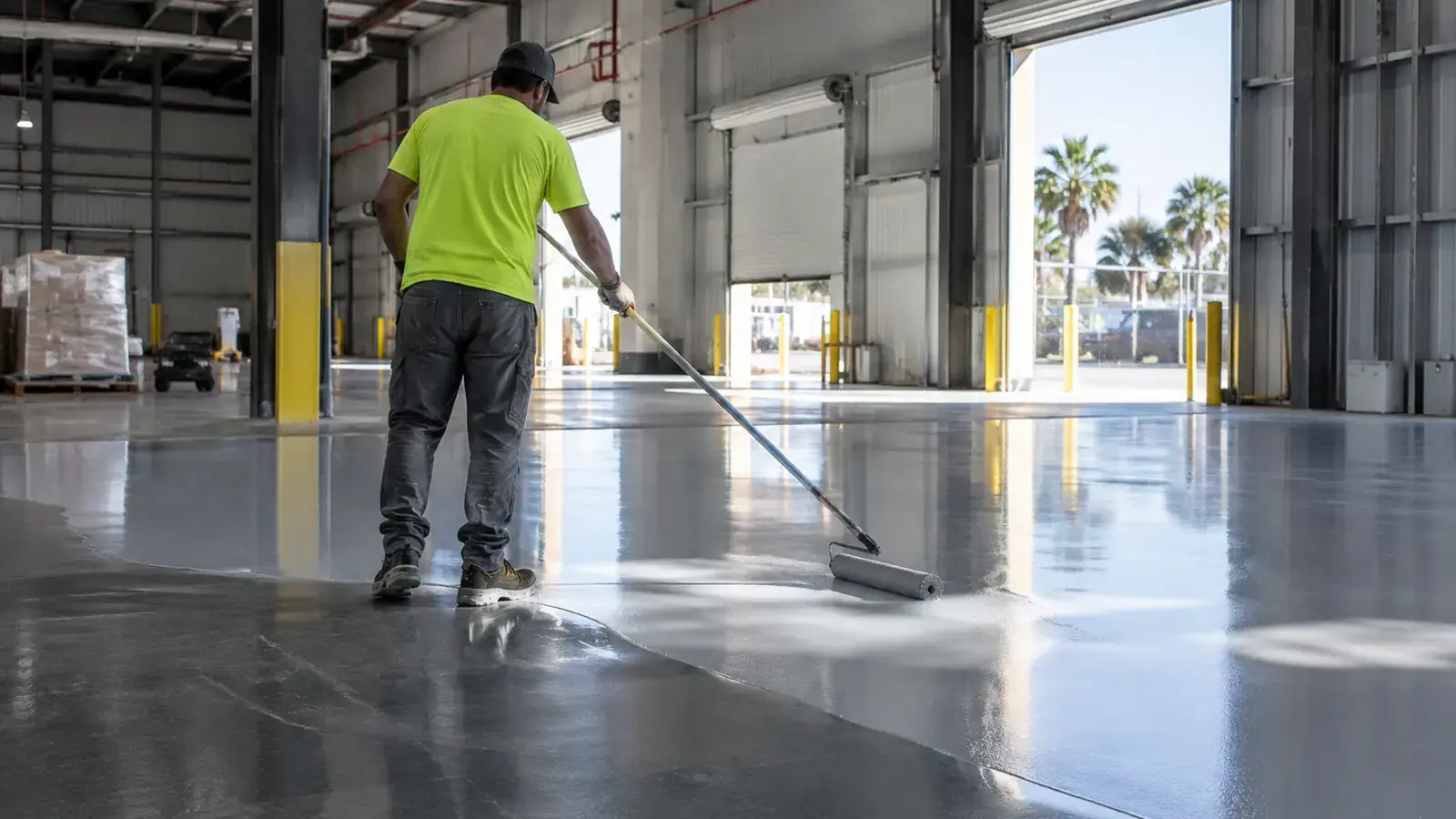
LVT, carpet tile, polished concrete and epoxy. Tell us about the job and we'll match you with a local provider who covers your ZIP code.
Request a Business Service Quote
Good to know
- Florida slabs hold moisture; ask how the installer tests and handles it.
- Condos often require sound-rated underlayment; check your association rules.
- Order about 10% extra material for cuts and future repairs.
Questions to ask before you hire
- Will you send a current certificate of insurance before work starts?
- Is removal of old flooring and baseboards included?
- How do you check the slab for moisture?
What commercial flooring usually costs in Tampa Bay
Commercial flooring cost depends on the material (carpet tile, LVT, sheet vinyl, polished concrete, epoxy, tile), the square footage, subfloor prep and the work schedule.
Moisture testing and mitigation on concrete slabs is common in Florida and can add cost. After-hours installs to keep the business open add labor.
Ask about product wear ratings, warranties and maintenance requirements.
Phasing is a big part of commercial flooring. Offices, clinics and stores often stay open, so installers work zone by zone, at night or over weekends, moving furniture and equipment as they go. Carpet tile can be swapped piece by piece later, while sheet goods and polished concrete are better for spaces that need easy cleaning or infection control. Ask how the installer protects new floors from other trades, and get the manufacturer's maintenance instructions so the warranty stays valid.
Permits in Florida
Flooring usually doesn't need a permit unless part of a larger build-out. Confirm with your building department.
Permit rules depend on your address: each city permits inside its limits and the county covers unincorporated areas. Ask your provider who pulls the permit and confirm with the local building office before work starts.
Hurricane season planning
High humidity affects adhesives; slabs may need moisture testing. Dry season installs help.
Atlantic hurricane season runs June 1 through November 30. Contractor schedules tighten before and after named storms, so plan non-urgent work early.
Planning around Tampa Bay's wet and dry seasons
Tampa Bay really has two working seasons. The dry season, roughly November through May, brings lower humidity and fewer afternoon storms, so it's usually the easiest time to schedule commercial flooring, inspections and anything that needs paint, sealant or concrete to cure. The wet season, roughly June through September, brings daily thunderstorms, lightning and heavy humidity that can push outdoor work to the morning and stretch schedules, which matters if you're planning around business hours or tenants. If your commercial flooring project isn't urgent, asking for dates early in the dry season usually gives you more choice.
Getting a useful quote
Before a provider visits, jot down what you've noticed, when it started, and any past repairs. Photos help. Know your ZIP code, property type and rough age of the home or building, and whether an HOA, landlord or insurer needs to be involved.
When quotes come in, compare the same scope, materials, warranty and timeline side by side. Our free Compare My Quotes tool can help.
How to hire for commercial flooring
Ask for the contractor's license number and look it up on the state DBPR site. Check that the name matches the company, the license is active, and the license type fits the job. Some trades are licensed locally by the county instead.
Ask for a current certificate of insurance. Through Tampa Services, license and insurance information is on file for providers; verify current status before hiring.
Get the scope, price, schedule, payment terms and warranty in writing. Be careful with large deposits for work that hasn't started, and with anyone who asks you to sign over insurance benefits.
For businesses, also confirm after-hours availability, response times and who your point of contact is.
Frequently asked questions
What flooring holds up in high-traffic areas?
Ask about commercial wear ratings.
Can work be done overnight?
Often.
Do slabs need moisture testing?
Often, especially in Florida.
What about maintenance?
Ask for the care plan.
How it works
- Tell us about the job and your ZIP code.
- We match it with one local provider who covers your area and does this work.
- Your provider contacts you, and you track everything in your portal.