Restaurant Build-Outs in Hillsborough County: Permits and Pitfalls
By Aaron Hurlburt · Last reviewed 2026-10-17
Opening or remodeling a restaurant in Tampa or Hillsborough County? The approvals involved, from building permits to state plan review, the pitfalls that delay openings, and how to plan a realistic schedule.
Why build-outs run late
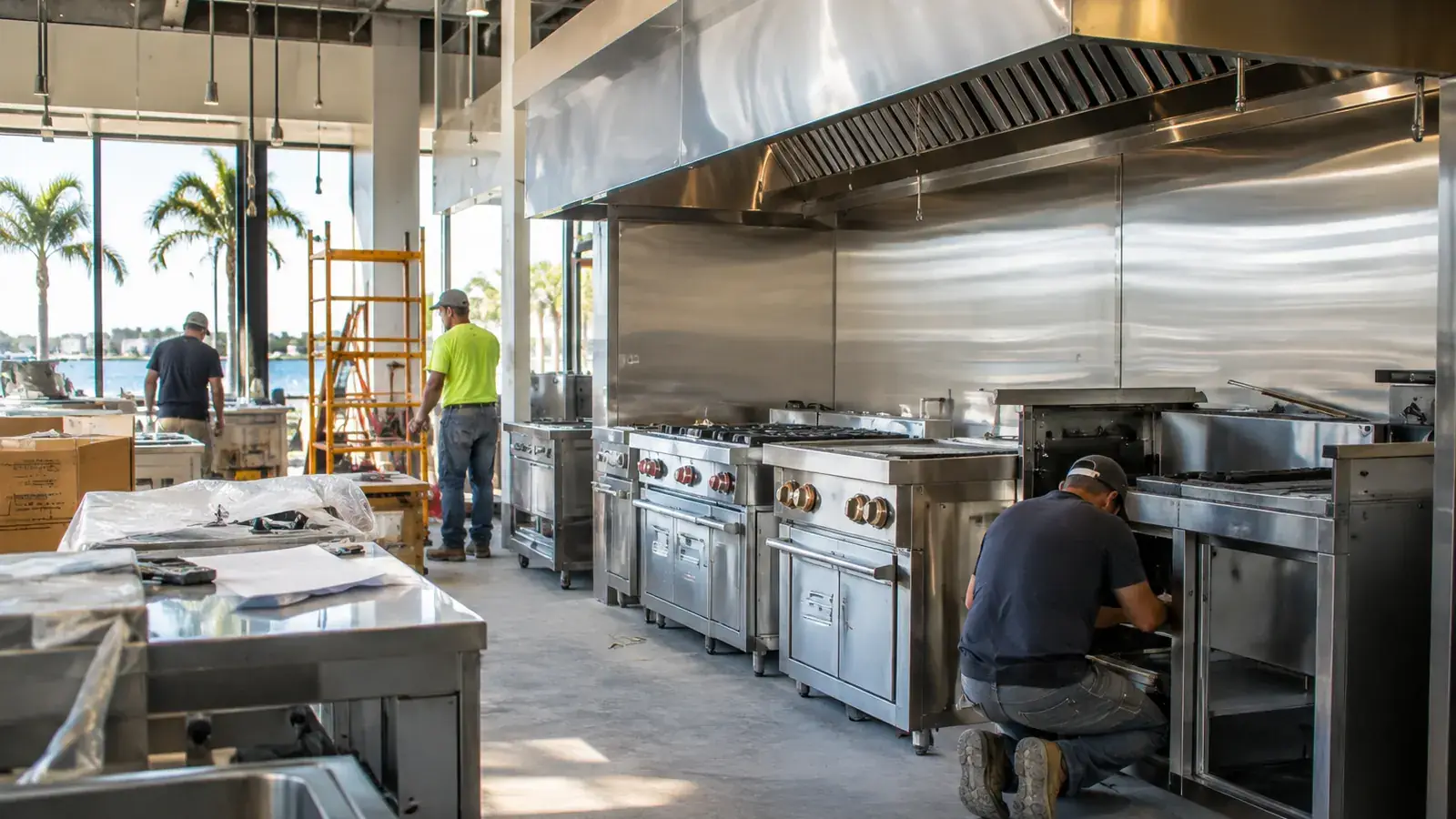
Restaurant owners often plan around an opening date, sometimes timed for the busy winter months when seasonal visitors arrive. Then the build-out slips. The usual reasons aren't the construction itself. They're approvals, equipment lead times and surprises in the space that nobody checked before the lease was signed.
This guide covers the approvals most restaurant projects in Hillsborough County deal with and the pitfalls that cause delays. It's educational and not legal or code advice. Requirements depend on your exact address and concept, so confirm with each office.
Who you'll deal with
Building permits come from the City of Tampa inside city limits, from Plant City or Temple Terrace inside theirs, and from Hillsborough County in unincorporated areas. A build-out usually involves building, electrical, plumbing and mechanical permits, plus fire review for hoods, suppression systems and occupancy.
Restaurants licensed by the state also go through plan review with the Florida DBPR Division of Hotels and Restaurants, for new establishments and for remodels of licensed ones. The division asks for a scale floor plan with equipment labeled and a sample menu, and says online applications can expect review within 30 days. Plan for it early, not after construction starts.
Check the space before you sign
The most expensive surprises hide in the building. Before you sign a lease, have a contractor or designer look at the electrical service, gas availability, the route for a hood exhaust, grease interceptor requirements, restroom count and accessibility, and whether the space's current use matches a restaurant. A former retail space can need far more work than a former restaurant.
Ask the landlord what they'll provide and what's on you. Many leases spell out a tenant improvement allowance and landlord approval for plans and contractors.
Pitfalls that delay openings
Ordering equipment before plans are approved, then finding it doesn't fit the reviewed layout. Underestimating hood and fire suppression lead times. Skipping the grease interceptor question until the plumber raises it. Missing the accessibility requirements for restrooms and entrances. And scheduling the final inspections too tightly, with no room for a re-inspection.
A contractor who has built restaurants in Hillsborough County will usually know these steps well. Ask them which inspections they expect and in what order.
Choosing a build-out contractor
Look for a licensed contractor with commercial restaurant experience. Check the license on the DBPR site, confirm the business on Sunbiz, and ask for a certificate of insurance that meets your lease. Ask for references from restaurant jobs and a written schedule that includes permits, plan review, equipment delivery and inspections, not just construction days.
Questions to ask at the first walkthrough
Is the existing electrical service big enough for our equipment? Where can the hood exhaust go, and does the landlord allow it? Is there a grease interceptor, and is it the right size? Do the restrooms meet accessibility requirements? Which permits and inspections do you expect, and who handles state plan review? Clear answers early are worth more than a low first number.
A realistic schedule
Work backward from your opening date and leave slack. Design and engineering, permit review, state plan review, equipment lead times, construction and inspections each take time, and some can overlap. Owners who build in a buffer for re-inspections and late deliveries are far less likely to pay rent on a space that can't open.
Trades you'll line up for a build-out
Most restaurant build-outs need commercial plumbing for grease traps, commercial electrical for the line and commercial HVAC for the hood and dining room. Ask every trade for a license number and look it up with the DBPR before you sign.
Frequently asked questions
Do restaurant remodels need state plan review in Florida?
The Florida DBPR Division of Hotels and Restaurants lists plan review for new establishments and for remodels of DBPR-licensed establishments. Check the division's plan review page for current requirements.
Who issues building permits for restaurants in Hillsborough County?
The City of Tampa, Plant City and Temple Terrace permit inside their limits, and Hillsborough County covers unincorporated areas.
Related services
Keep reading
- Restaurant build-outs in Tampa Bay
- Commercial HVAC maintenance plans for restaurants
- Hillsborough County services