Stump Grinding in Tampa Bay
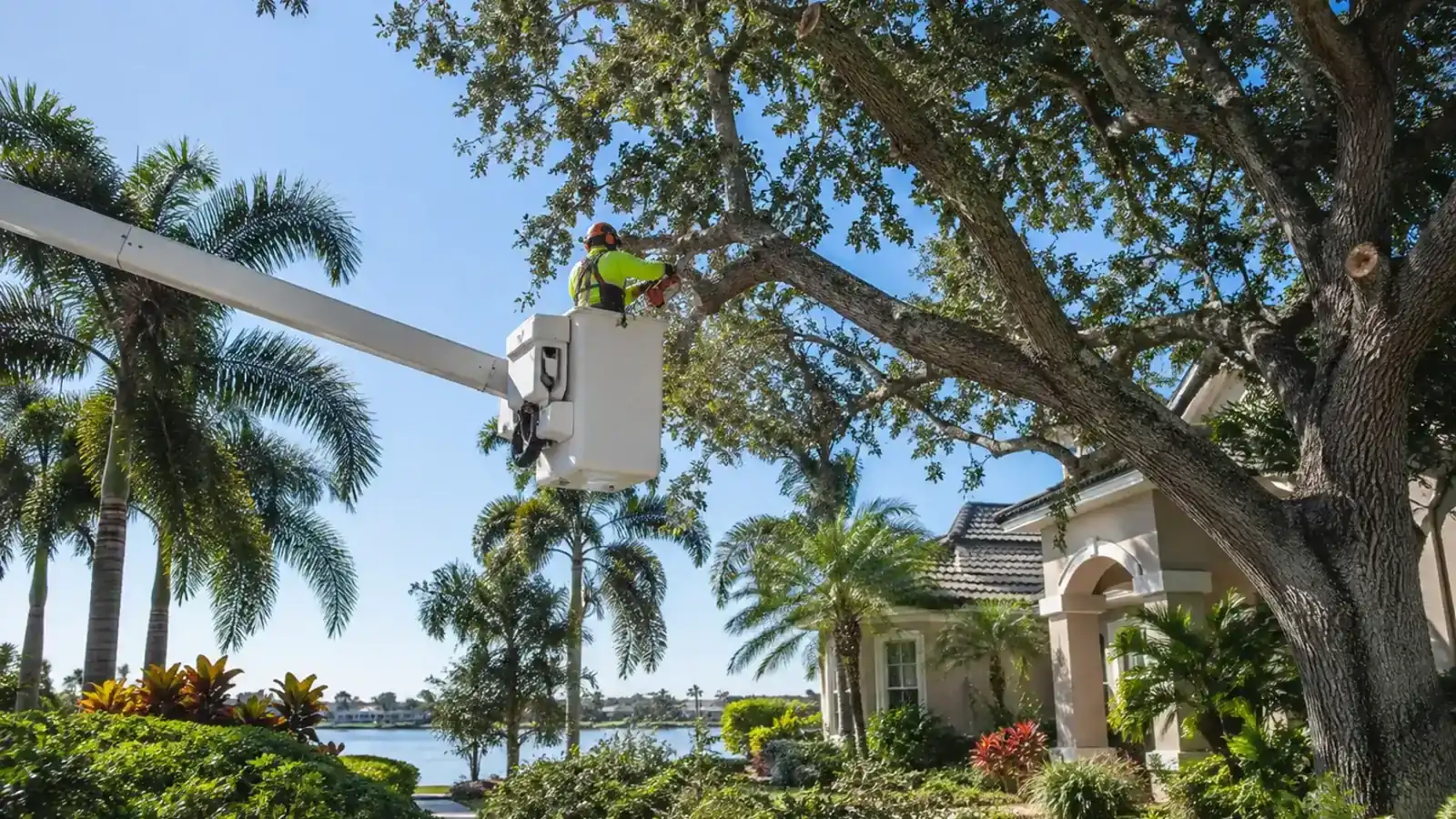
Stumps ground below grade so you can use the space again. Tell us about the job and we'll match you with a local provider who covers your ZIP code.
Good to know
- Trim before hurricane season, not during a storm watch when crews are booked solid.
- Some cities require a permit to remove certain trees; check with your city before removal.
- Ask whether debris haul-away and stump grinding are included.
Questions to ask before you hire
- Will you send a current certificate of insurance before work starts?
- Is debris removal included, and do you grind the stump?
- Do I need a city tree removal permit for this tree?
What stump grinding usually costs in Tampa Bay
Stump grinding is usually priced by stump diameter, plus factors like access, roots, and how many stumps are done at once. Grinding several stumps in one visit is typically more economical per stump.
Ask how deep they grind, whether surface roots are included and whether the grindings are hauled away or left as mulch.
Removing the entire stump and root ball is a bigger job than grinding.
Around Tampa Bay, stumps left from storm-downed oaks and removed palms are the most common jobs. Palm stumps are softer and grind quickly; old oak stumps with wide surface roots take longer. If you plan to lay sod, pavers or a fence where the stump was, tell the provider so they grind deep enough and clear enough roots for that use.
Permits in Florida
Stump grinding usually doesn't need a permit. Call 811 before digging so underground utilities are marked.
Permit rules depend on your address: each city permits inside its limits and the county covers unincorporated areas. Ask your provider who pulls the permit and confirm with the local building office before work starts.
Hurricane season planning
After storms, grinding stumps from fallen trees helps prevent pests and tripping hazards. Schedule in the dry season if it's not urgent.
Atlantic hurricane season runs June 1 through November 30. Contractor schedules tighten before and after named storms, so plan non-urgent work early.
Planning around Tampa Bay's wet and dry seasons
Tampa Bay really has two working seasons. The dry season, roughly November through May, brings lower humidity and fewer afternoon storms, so it's usually the easiest time to schedule stump grinding, inspections and anything that needs paint, sealant or concrete to cure. The wet season, roughly June through September, brings daily thunderstorms, lightning and heavy humidity that can push outdoor work to the morning and stretch schedules. If your stump grinding project isn't urgent, asking for dates early in the dry season usually gives you more choice.
Getting a useful quote
Before a provider visits, jot down what you've noticed, when it started, and any past repairs. Photos help. Know your ZIP code, property type and rough age of the home or building, and whether an HOA, landlord or insurer needs to be involved.
When quotes come in, compare the same scope, materials, warranty and timeline side by side. Our free Compare My Quotes tool can help.
How to hire for stump grinding
Ask for the contractor's license number and look it up on the state DBPR site. Check that the name matches the company, the license is active, and the license type fits the job. Some trades are licensed locally by the county instead.
Ask for a current certificate of insurance. Through Tampa Services, license and insurance information is on file for providers; verify current status before hiring.
Get the scope, price, schedule, payment terms and warranty in writing. Be careful with large deposits for work that hasn't started, and with anyone who asks you to sign over insurance benefits.
Compare at least the same scope when you look at prices. The lowest number isn't always the same job.
Frequently asked questions
How deep is a stump ground?
Typically several inches below grade, enough to cover with soil and sod. Ask your provider.
Will the stump grow back?
Some species can sprout from roots. Your provider can suggest treatment.
Can I plant in the same spot?
Usually after removing grindings and adding topsoil. Large roots may limit planting.
Do I need to call 811?
Yes, Florida's Sunshine 811 marks underground utilities before digging.
How it works
- Tell us about the job and your ZIP code.
- We match it with one local provider who covers your area and does this work.
- Your provider contacts you, and you track everything in your portal.