Septic Services in Tampa Bay
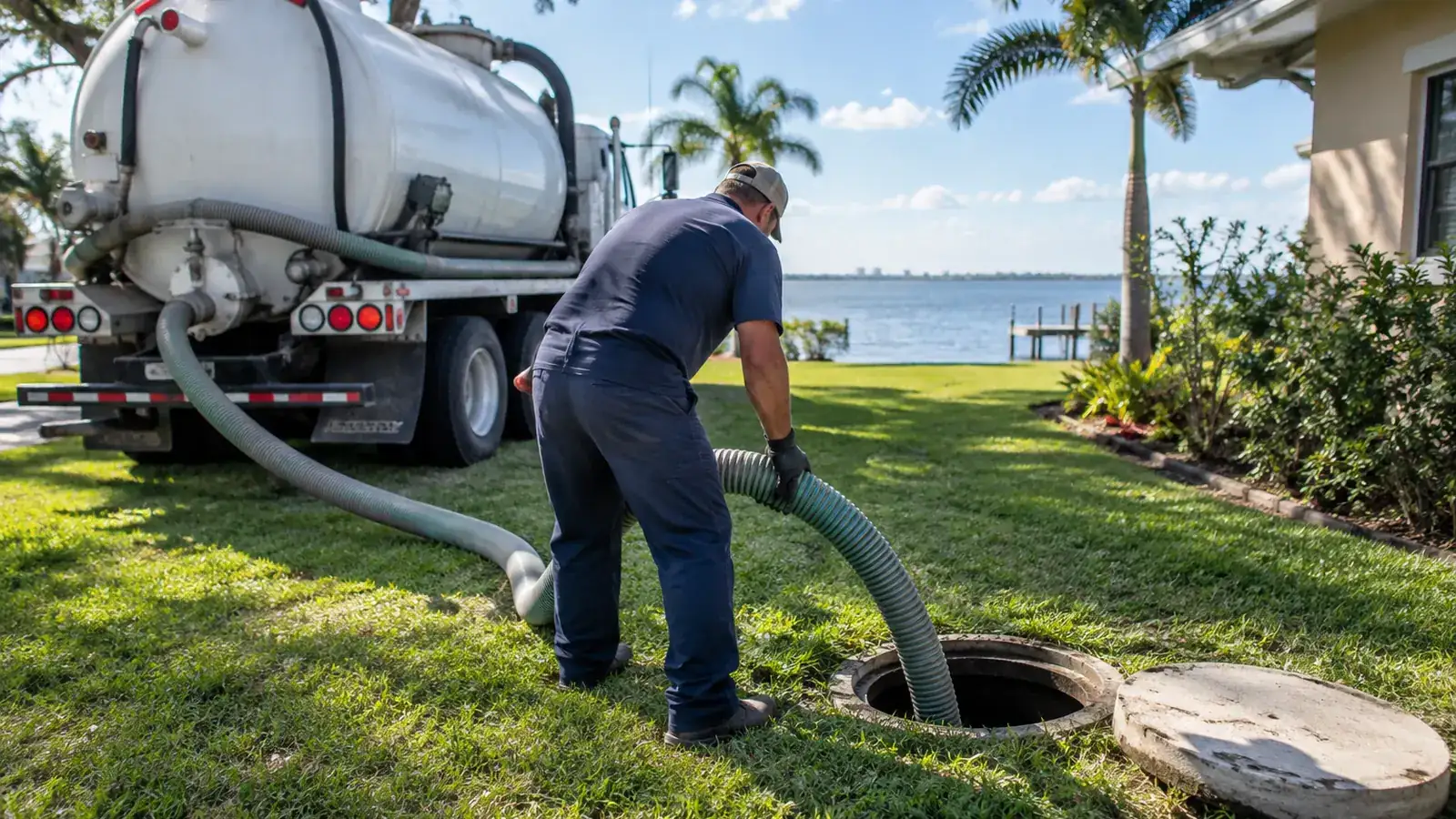
Pumping, inspections, drain field repair and new systems. Tell us about the job and we'll match you with a local provider who covers your ZIP code.
Good to know
- Most septic tanks need pumping every few years depending on household size.
- Test well water at least once a year.
- Ask for a water test before buying a treatment system.
Questions to ask before you hire
- Can I see your Florida license number so I can look it up on myfloridalicense.com?
- Will you send a current certificate of insurance before work starts?
- Can you test the water before recommending a system?
What septic services usually costs in Tampa Bay
Septic service cost depends on the job: routine pumping, inspections, drainfield repairs or a full system replacement. Pumping is priced mainly by tank size and how hard the lid is to reach.
Drainfield problems and replacements are the big-ticket items and may need soil tests, permits and engineering. Florida has been moving some areas toward advanced systems or sewer connections, which can change the scope.
Ask for the tank size, condition notes and photos after pumping, and a written scope for any repair.
Permits in Florida
In Florida, septic permits for repairs and new systems have moved from the Department of Health to the Department of Environmental Protection (DEP) in many cases. Septic contractors must be registered. Confirm current rules with DEP and your county.
Permit rules depend on your address: each city permits inside its limits and the county covers unincorporated areas. Ask your provider who pulls the permit and confirm with the local building office before work starts.
Hurricane season planning
Heavy wet season rain can saturate drainfields and cause slow drains or backups. Avoid pumping when the ground is flooded unless there's an emergency. Keep vehicles off the drainfield.
Atlantic hurricane season runs June 1 through November 30. Contractor schedules tighten before and after named storms, so plan non-urgent work early.
Planning around Tampa Bay's wet and dry seasons
Tampa Bay really has two working seasons. The dry season, roughly November through May, brings lower humidity and fewer afternoon storms, so it's usually the easiest time to schedule septic services, inspections and anything that needs paint, sealant or concrete to cure. The wet season, roughly June through September, brings daily thunderstorms, lightning and heavy humidity that can push outdoor work to the morning and stretch schedules. If your septic services project isn't urgent, asking for dates early in the dry season usually gives you more choice.
Getting a useful quote
Before a provider visits, jot down what you've noticed, when it started, and any past repairs. Photos help. Know your ZIP code, property type and rough age of the home or building, and whether an HOA, landlord or insurer needs to be involved.
When quotes come in, compare the same scope, materials, warranty and timeline side by side. Our free Compare My Quotes tool can help.
How to hire for septic services
Ask for the contractor's license number and look it up on the state DBPR site. Check that the name matches the company, the license is active, and the license type fits the job. Some trades are licensed locally by the county instead.
Ask for a current certificate of insurance. Through Tampa Services, license and insurance information is on file for providers; verify current status before hiring.
Get the scope, price, schedule, payment terms and warranty in writing. Be careful with large deposits for work that hasn't started, and with anyone who asks you to sign over insurance benefits.
Compare at least the same scope when you look at prices. The lowest number isn't always the same job.
Frequently asked questions
How often should a septic tank be pumped?
It depends on tank size and household use. Many Florida homes pump every few years. Ask your septic contractor.
Why do my drains gurgle after rain?
A saturated drainfield is a common cause. If it continues in dry weather, call a pro.
Do I need an inspection when buying a home?
It's a good idea for homes on septic.
What shouldn't go in a septic system?
Grease, wipes and harsh chemicals.
How it works
- Tell us about the job and your ZIP code.
- We match it with one local provider who covers your area and does this work.
- Your provider contacts you, and you track everything in your portal.