Pool Installation & Remodeling in Tampa Bay
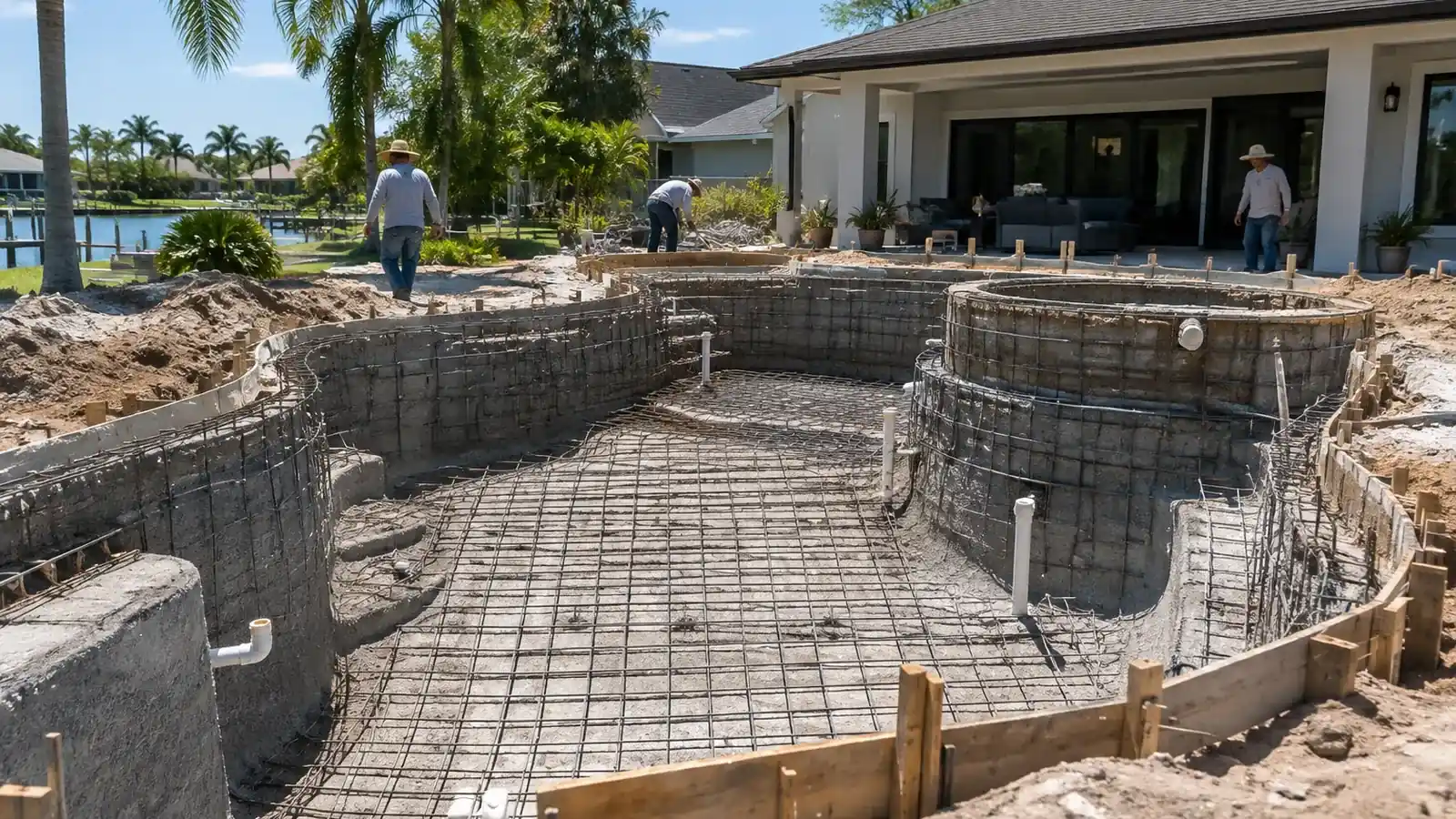
A new pool or a pool remodel is a major backyard project. Tell us what you're planning and we'll match you with one of the local pool builders who cover your ZIP code.
Signs it's time
- You want a new in-ground pool or spa
- Rough, stained or cracked pool finish
- Old tile, decking or inefficient equipment
What affects the scope and price
- Pool size, shape, depth and features
- Finish: plaster, aggregate or tile
- Deck material and screen enclosure
- Equipment: variable-speed pumps, heaters, automation
- Permits, site access and soil conditions
Questions to ask before you hire
- What's included: deck, enclosure, equipment, fencing?
- What is the payment schedule, tied to which stages?
- Who handles permits and inspections?
- How do you meet Florida's pool safety requirements?
Florida considerations
- Florida's Residential Swimming Pool Safety Act requires new residential pools to have at least one approved safety feature, such as a barrier, alarms or a safety cover.
- Pool contractors in Florida must be licensed. Look up the license before you sign.
What pool installation & remodeling usually costs in Tampa Bay
Inground pool cost depends on size, shape, finish, decking, screen enclosure, equipment, and site conditions such as soil and access. Enclosures and decking can add a large share of the total.
Ask for a payment schedule tied to stages (excavation, steel, shell, plumbing, finish), not big upfront deposits.
Ongoing costs matter too: chemicals, electricity for the pump, screen repairs and resurfacing over time. A variable-speed pump costs more upfront but often uses less power.
Permits in Florida
Pools require permits and inspections, and Florida has residential pool safety requirements such as barriers, alarms or covers. Confirm locally and with your HOA.
Permit rules depend on your address: each city permits inside its limits and the county covers unincorporated areas. Ask your provider who pulls the permit and confirm with the local building office before work starts.
Hurricane season planning
Don't drain a pool before a hurricane. Ask your builder about how the screen enclosure is engineered for wind.
Atlantic hurricane season runs June 1 through November 30. Contractor schedules tighten before and after named storms, so plan non-urgent work early.
Planning around Tampa Bay's wet and dry seasons
Tampa Bay really has two working seasons. The dry season, roughly November through May, brings lower humidity and fewer afternoon storms, so it's usually the easiest time to schedule pool installation & remodeling, inspections and anything that needs paint, sealant or concrete to cure. The wet season, roughly June through September, brings daily thunderstorms, lightning and heavy humidity that can push outdoor work to the morning and stretch schedules. If your pool installation & remodeling project isn't urgent, asking for dates early in the dry season usually gives you more choice.
Getting a useful quote
Before a provider visits, jot down what you've noticed, when it started, and any past repairs. Photos help. Know your ZIP code, property type and rough age of the home or building, and whether an HOA, landlord or insurer needs to be involved.
When quotes come in, compare the same scope, materials, warranty and timeline side by side. Our free Compare My Quotes tool can help.
How to hire for pool installation & remodeling
Ask for the contractor's license number and look it up on the state DBPR site. Check that the name matches the company, the license is active, and the license type fits the job. Some trades are licensed locally by the county instead.
Ask for a current certificate of insurance. Through Tampa Services, license and insurance information is on file for providers; verify current status before hiring.
Get the scope, price, schedule, payment terms and warranty in writing. Be careful with large deposits for work that hasn't started, and with anyone who asks you to sign over insurance benefits.
Compare at least the same scope when you look at prices. The lowest number isn't always the same job.
Frequently asked questions
Can I remodel instead of building new?
Yes. Resurfacing, tile, decking and equipment upgrades are common.
Do I need a screen enclosure?
It's a personal choice in most cases. Some HOAs have rules.
Is this free?
Yes, sending a request is free.
How long does it take to build a pool?
Often a couple of months or more, depending on permits, weather and inspections.
Do I need a screen enclosure?
Not required, but common in Florida to keep out leaves and bugs. It adds cost and its own permit.
Do I need a barrier around my pool?
Florida's residential pool safety law requires at least one safety feature such as a barrier, approved cover, alarms or self-latching doors. Confirm the requirements with your building office.
How it works
- Tell us about the job and your ZIP code.
- We match it with one local provider who covers your area and does this work.
- Your provider contacts you, and you track everything in your portal.