Electrical Repair in Tampa Bay
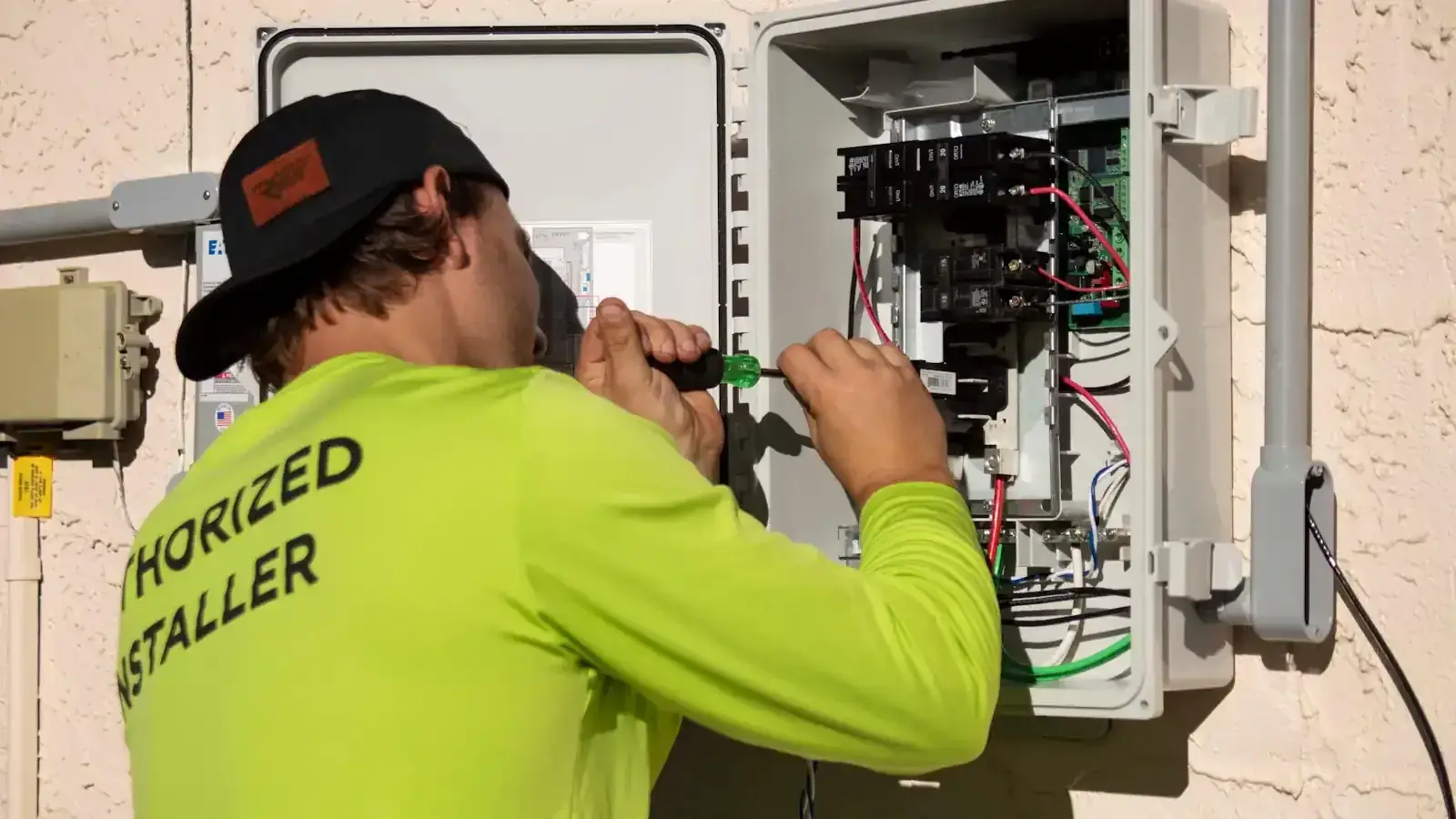
Dead outlets, tripping breakers, flickering lights and wiring issues. Tell us about the job and we'll match you with a local provider who covers your ZIP code.
Good to know
- Breakers that trip repeatedly are a warning sign; do not keep resetting them without having the circuit checked.
- Panel upgrades and EV chargers usually need a permit and inspection.
- Warm outlets, flickering lights or a burning smell are reasons to call an electrician right away.
Questions to ask before you hire
- Can I see your Florida license number so I can look it up on myfloridalicense.com?
- Will you send a current certificate of insurance before work starts?
- Does this job need a permit and inspection?
What electrical repair usually costs in Tampa Bay
Electrical repair costs depend on the problem and how hard it is to trace. Replacing an outlet, switch or light fixture is a small job. Tracking down a circuit that keeps tripping, a dead circuit or flickering lights can take diagnostic time, especially in older homes.
Many electricians charge a service call plus hourly labor, or a flat rate per task. Ask which before they arrive.
Some older Tampa Bay homes have panels or wiring types that insurers question, such as certain older panel brands, aluminum branch wiring or fuse boxes. If an electrician recommends replacement, ask for the reasoning and a written quote.
Permits in Florida
Many electrical repairs beyond simple device replacement need a permit, including new circuits, panel work and service changes. Confirm with your electrician and building office.
Permit rules depend on your address: each city permits inside its limits and the county covers unincorporated areas. Ask your provider who pulls the permit and confirm with the local building office before work starts.
Hurricane season planning
Lightning and power surges are common in Florida summers. Ask about whole-home surge protection. After flooding, have an electrician inspect any outlets, panels or equipment that got wet before restoring power.
Atlantic hurricane season runs June 1 through November 30. Contractor schedules tighten before and after named storms, so plan non-urgent work early.
Planning around Tampa Bay's wet and dry seasons
Tampa Bay really has two working seasons. The dry season, roughly November through May, brings lower humidity and fewer afternoon storms, so it's usually the easiest time to schedule electrical repair, inspections and anything that needs paint, sealant or concrete to cure. The wet season, roughly June through September, brings daily thunderstorms, lightning and heavy humidity that can push outdoor work to the morning and stretch schedules. If your electrical repair project isn't urgent, asking for dates early in the dry season usually gives you more choice.
Getting a useful quote
Before a provider visits, jot down what you've noticed, when it started, and any past repairs. Photos help. Know your ZIP code, property type and rough age of the home or building, and whether an HOA, landlord or insurer needs to be involved.
When quotes come in, compare the same scope, materials, warranty and timeline side by side. Our free Compare My Quotes tool can help.
How to hire for electrical repair
Ask for the contractor's license number and look it up on the state DBPR site. Check that the name matches the company, the license is active, and the license type fits the job. Some trades are licensed locally by the county instead.
Ask for a current certificate of insurance. Through Tampa Services, license and insurance information is on file for providers; verify current status before hiring.
Get the scope, price, schedule, payment terms and warranty in writing. Be careful with large deposits for work that hasn't started, and with anyone who asks you to sign over insurance benefits.
Compare at least the same scope when you look at prices. The lowest number isn't always the same job.
- Florida DBPR license lookup
- How to Check a Florida Contractor License in 2 Minutes
- How to Verify a Florida Contractor License
Frequently asked questions
Why does my breaker keep tripping?
Usually an overloaded circuit, a short or a ground fault. Unplug devices and reset once. If it trips again, call an electrician.
Are flickering lights dangerous?
One flickering bulb may just be loose. Flickering across several rooms can point to a loose connection or a utility issue. Have it checked.
Do electricians need a license in Florida?
Yes, electrical contractors are licensed through the state. Check on the DBPR site.
What is whole-home surge protection?
A device installed at the panel that helps protect the home's wiring and appliances from surges. It's often paired with point-of-use protectors.
How it works
- Tell us about the job and your ZIP code.
- We match it with one local provider who covers your area and does this work.
- Your provider contacts you, and you track everything in your portal.