Commercial Pest Control in Tampa Bay
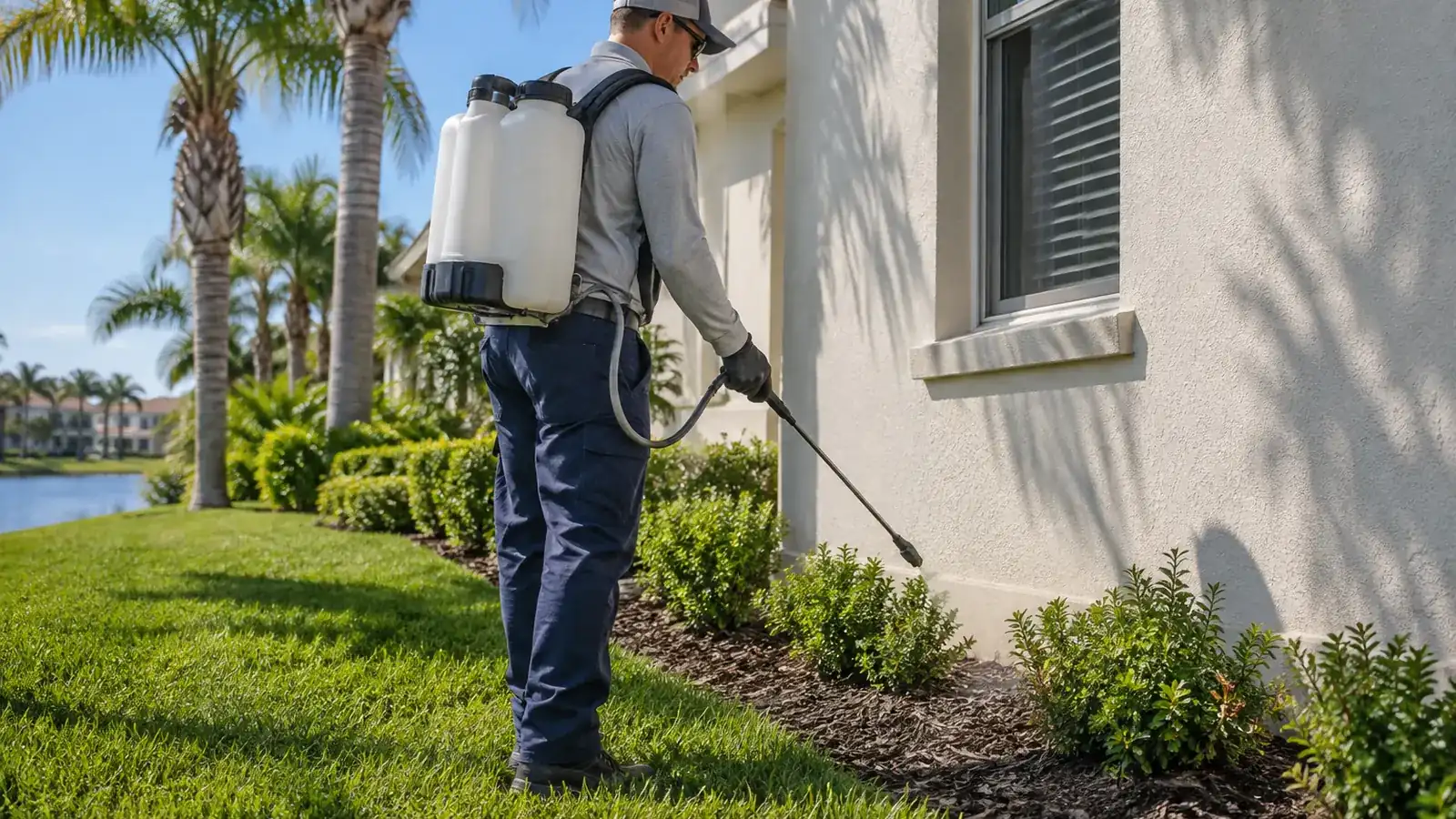
Programs for restaurants, offices, warehouses and multifamily. Tell us about the job and we'll match you with a local provider who covers your ZIP code.
Request a Business Service Quote
Good to know
- Florida pest control companies are licensed by the state; ask for the license number.
- Ask which products are used if you have kids or pets.
- Termite bonds differ a lot; read what's covered for repair vs. retreatment.
Questions to ask before you hire
- Can I see your Florida pest control license?
- Will you send a current certificate of insurance before work starts?
- What does the termite bond actually cover?
What commercial pest control usually costs in Tampa Bay
Commercial pest control is priced by the type and size of facility, the pests involved and the service frequency. Restaurants and food facilities usually need more frequent service and documentation than offices.
Termite protection, rodent exclusion, bird control and fumigation are separate services with their own pricing.
Ask for service logs, the products used and how the program supports health inspections or audits.
Permits in Florida
Pest control companies in Florida must be licensed by FDACS. Food service businesses are inspected by the state, and pest records help. Ask for the license.
Permit rules depend on your address: each city permits inside its limits and the county covers unincorporated areas. Ask your provider who pulls the permit and confirm with the local building office before work starts.
Hurricane season planning
Wet season rain drives pests indoors. After floods, rodents and insects move into dry buildings.
Atlantic hurricane season runs June 1 through November 30. Contractor schedules tighten before and after named storms, so plan non-urgent work early.
Planning around Tampa Bay's wet and dry seasons
Tampa Bay really has two working seasons. The dry season, roughly November through May, brings lower humidity and fewer afternoon storms, so it's usually the easiest time to schedule commercial pest control, inspections and anything that needs paint, sealant or concrete to cure. The wet season, roughly June through September, brings daily thunderstorms, lightning and heavy humidity that can push outdoor work to the morning and stretch schedules, which matters if you're planning around business hours or tenants. If your commercial pest control project isn't urgent, asking for dates early in the dry season usually gives you more choice.
Getting a useful quote
Before a provider visits, jot down what you've noticed, when it started, and any past repairs. Photos help. Know your ZIP code, property type and rough age of the home or building, and whether an HOA, landlord or insurer needs to be involved.
When quotes come in, compare the same scope, materials, warranty and timeline side by side. Our free Compare My Quotes tool can help.
How to hire for commercial pest control
Ask for the contractor's license number and look it up on the state DBPR site. Check that the name matches the company, the license is active, and the license type fits the job. Some trades are licensed locally by the county instead.
Ask for a current certificate of insurance. Through Tampa Services, license and insurance information is on file for providers; verify current status before hiring.
Get the scope, price, schedule, payment terms and warranty in writing. Be careful with large deposits for work that hasn't started, and with anyone who asks you to sign over insurance benefits.
For businesses, also confirm after-hours availability, response times and who your point of contact is.
Frequently asked questions
How often should a restaurant have pest control?
Many restaurants use monthly or more frequent service.
Do you provide documentation for inspections?
Ask for service logs.
What about termites?
A separate termite program is common.
Are treatments safe for customers?
Ask about products and timing.
How it works
- Tell us about the job and your ZIP code.
- We match it with one local provider who covers your area and does this work.
- Your provider contacts you, and you track everything in your portal.